


- Afhalen na 1 uur in een winkel met voorraad
- Gratis thuislevering in België vanaf € 30
- Ruim aanbod met 7 miljoen producten
- Afhalen na 1 uur in een winkel met voorraad
- Gratis thuislevering in België vanaf € 30
- Ruim aanbod met 7 miljoen producten





Omschrijving
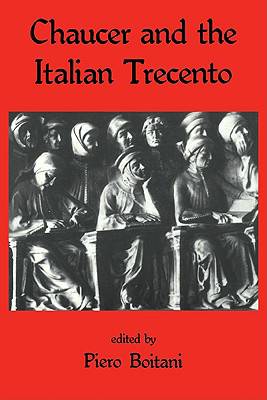
This paperback consists of a collection of essays which have aroused considerable interest, since their first publication in 1983, in a question that has been occupying scholars for many years: what did fourteenth-century Italy and its literature mean to Chaucer? In the first part of the book contributors assess the general state of English and Italian culture in the fourteenth century and the complex network of Anglo-Italian relationships in the areas of trade, finance, church organisation and academic exchange. The second part faces the literary problem that Chaucer's borrowing from Italian authors poses: not only what he takes, but how and why. These essays include source studies and comparative analyses of such masterpieces as The Divine Comedy, The Canzoniere, The Decameron and The Canterbury Tales.
Specificaties
Betrokkenen
- Auteur(s):
- Uitgeverij:
Inhoud
- Aantal bladzijden:
- 328
- Taal:
- Engels
Eigenschappen
- Productcode (EAN):
- 9780521313506
- Verschijningsdatum:
- 8/08/1985
- Uitvoering:
- Paperback
- Formaat:
- Trade paperback (VS)
- Afmetingen:
- 152 mm x 229 mm
- Gewicht:
- 480 g


Alleen bij Standaard Boekhandel
+ 129 punten op je klantenkaart van Standaard Boekhandel
AANGERADEN


Beoordelingen
We publiceren alleen reviews die voldoen aan de voorwaarden voor reviews. Bekijk onze voorwaarden voor reviews.