


- Afhalen na 1 uur in een winkel met voorraad
- Gratis thuislevering in België vanaf € 30
- Ruim aanbod met 7 miljoen producten
- Afhalen na 1 uur in een winkel met voorraad
- Gratis thuislevering in België vanaf € 30
- Ruim aanbod met 7 miljoen producten





€ 36,45
+ 72 punten
Omschrijving
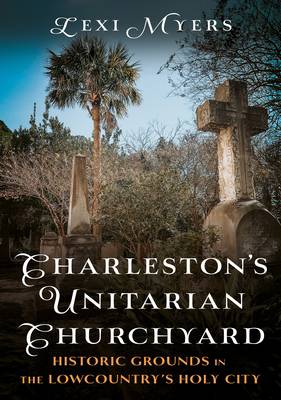
Charleston's historic graveyards reveal centuries of burials, overgrown paths, and stories intertwined with nature and history.
Charleston is often referred to as "Holy City," with some speculating that nickname came from the many churches that line its streets. Along with these churches are the graveyards with burials dating back decades and even centuries. Most graveyards have caretakers to keep the area trim and pristine; in some, the overgrown graves are the ones that have not been paid for by the family to be maintained. In the Unitarian Churchyard, all the graves are overgrown, with only the paths remaining clear. Vines weave their way up the headstones, flowers spring up in random places, and there are even palm trees growing out of grave beds. For them, it's symbolic of the dead returning to nature. Take a step back in time to learn stories as plentiful as the Spanish moss hanging from the trees.
Charleston is often referred to as "Holy City," with some speculating that nickname came from the many churches that line its streets. Along with these churches are the graveyards with burials dating back decades and even centuries. Most graveyards have caretakers to keep the area trim and pristine; in some, the overgrown graves are the ones that have not been paid for by the family to be maintained. In the Unitarian Churchyard, all the graves are overgrown, with only the paths remaining clear. Vines weave their way up the headstones, flowers spring up in random places, and there are even palm trees growing out of grave beds. For them, it's symbolic of the dead returning to nature. Take a step back in time to learn stories as plentiful as the Spanish moss hanging from the trees.
Specificaties
Betrokkenen
- Auteur(s):
- Uitgeverij:
Inhoud
- Aantal bladzijden:
- 96
- Taal:
- Engels
- Reeks:
Eigenschappen
- Productcode (EAN):
- 9781634995818
- Verschijningsdatum:
- 6/04/2026
- Uitvoering:
- Paperback
- Formaat:
- Trade paperback (VS)
- Afmetingen:
- 165 mm x 235 mm
- Gewicht:
- 294 g


Alleen bij Standaard Boekhandel
+ 72 punten op je klantenkaart van Standaard Boekhandel
Cadeau

AANGERADEN


Beoordelingen
We publiceren alleen reviews die voldoen aan de voorwaarden voor reviews. Bekijk onze voorwaarden voor reviews.