


- Afhalen na 1 uur in een winkel met voorraad
- Gratis thuislevering in België vanaf € 30
- Ruim aanbod met 7 miljoen producten
- Afhalen na 1 uur in een winkel met voorraad
- Gratis thuislevering in België vanaf € 30
- Ruim aanbod met 7 miljoen producten





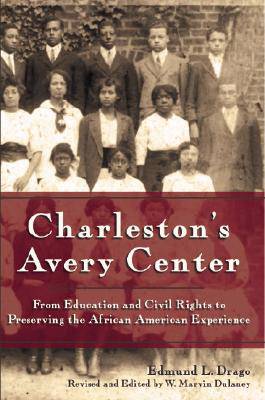
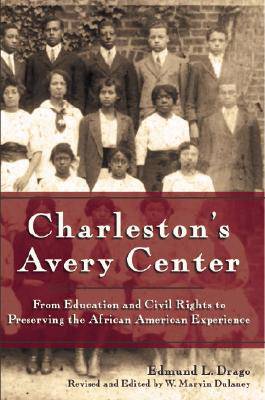
Charleston's Avery Center
From Education and Civil Rights to Preserving the African American Experience
W Marvin Dulaney
€ 48,95
+ 97 punten
Omschrijving
For 140 years, Charleston's Avery Research Center has been a hub of African American education and study in the South Carolina Lowcountry. No other institution compares to Avery's scope and impact on the black community in Charleston, and Avery's compelling story and rich history reflect that prominence. The influence of Avery's teachers and students on society in Charleston and the South is immeasurable; their legacy enduring. Established in 1865, the Avery Normal Institute educated Charleston's African American leaders and trained most of the area's black teachers. Avery flourished and emerged as a leading college preparatory institute, vital to Charleston's interracial environment. The list of important contributions by Avery's teachers and students includes the establishment of the Charleston chapter of the NAACP, a successful petition to secure positions for black teachers in the city's public schools, the fight for desegregation in the sixties, and the hospital strike of 1969--Charleston's last major civil rights confrontation. Edmund L. Drago artfully conveys Avery's history, from its beginnings during Reconstruction to its current incarnation as an African American research center under the auspices of the College of Charleston. With a new foreword by Avery Center Director W. Marvin Dulaney, this edition brings to bear a wealth of sources, including oral histories and private papers, to reveal the history of a vaunted institution. Charleston's Avery Center places Avery's story within a larger social and historical context, offering fascinating insight into the dynamics of race relations in Charleston, the Lowcountry, and the South.
Specificaties
Betrokkenen
- Auteur(s):
- Uitgeverij:
Inhoud
- Aantal bladzijden:
- 432
- Taal:
- Engels
- Reeks:
Eigenschappen
- Productcode (EAN):
- 9781596290686
- Verschijningsdatum:
- 6/07/2006
- Uitvoering:
- Paperback
- Formaat:
- Trade paperback (VS)
- Afmetingen:
- 161 mm x 235 mm
- Gewicht:
- 684 g


Alleen bij Standaard Boekhandel
+ 97 punten op je klantenkaart van Standaard Boekhandel
Cadeau

AANGERADEN


Beoordelingen
We publiceren alleen reviews die voldoen aan de voorwaarden voor reviews. Bekijk onze voorwaarden voor reviews.