



- Afhalen na 1 uur in een winkel met voorraad
- In januari gratis thuislevering in België
- Ruim aanbod met 7 miljoen producten
- Afhalen na 1 uur in een winkel met voorraad
- In januari gratis thuislevering in België
- Ruim aanbod met 7 miljoen producten





€ 69,45
+ 138 punten
Omschrijving
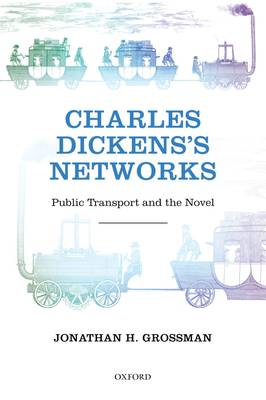
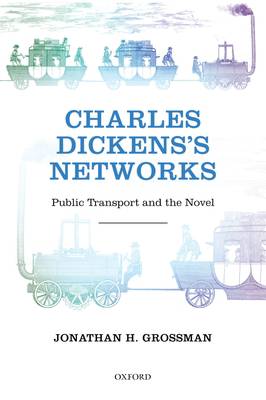
The same week in February 1836 that Charles Dickens was hired to write his first novel, The Pickwick Papers, the first railway line in London opened. Charles Dickens's Networks explores the rise of the global, high-speed passenger transport network in the nineteenth century and the indelible impact it made on Dickens's work. The advent first of stage coaches, then of railways and transoceanic steam ships made unprecedented round-trip journeys across once seemingly far distances seem ordinary and systematic. Time itself was changed. The Victorians overran the separate, local times kept in each town, establishing instead the synchronized, 'standard' time, which now ticks on our clocks. Jonathan Grossman examines the history of public transport's systematic networking of people and how this revolutionized perceptions of time, space, and community, and how the art form of the novel played a special role in synthesizing and understanding it all. Focusing on a trio of road novels by Charles Dickens, he looks first at a key historical moment in the networked community's coming together, then at a subsequent recognition of its tragic limits, and, finally, at the construction of a revised view that expressed the precarious, limited omniscient perspective by which passengers came to imagine their journeying in the network.
Specificaties
Betrokkenen
- Auteur(s):
- Uitgeverij:
Inhoud
- Aantal bladzijden:
- 272
- Taal:
- Engels
Eigenschappen
- Productcode (EAN):
- 9780199682164
- Verschijningsdatum:
- 1/12/2013
- Uitvoering:
- Paperback
- Formaat:
- Trade paperback (VS)
- Afmetingen:
- 155 mm x 231 mm
- Gewicht:
- 430 g


Alleen bij Standaard Boekhandel
+ 138 punten op je klantenkaart van Standaard Boekhandel
Cadeau

AANGERADEN


Beoordelingen
We publiceren alleen reviews die voldoen aan de voorwaarden voor reviews. Bekijk onze voorwaarden voor reviews.