


- Afhalen na 1 uur in een winkel met voorraad
- Gratis thuislevering in België vanaf € 30
- Ruim aanbod met 7 miljoen producten
- Afhalen na 1 uur in een winkel met voorraad
- Gratis thuislevering in België vanaf € 30
- Ruim aanbod met 7 miljoen producten





€ 57,95
+ 115 punten
Omschrijving
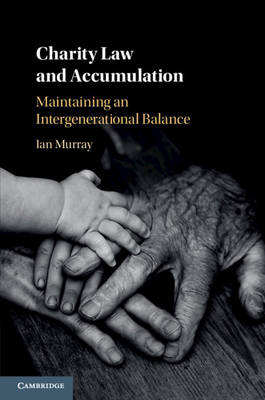
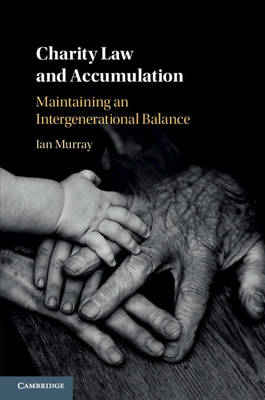
Much has been written in charity law on the type of benefits that charities can provide - charitable purposes - and towards whom such benefits must be directed - the public benefit question. Almost nothing has been written about when benefits must be provided. However, accumulation of assets by charities raises profound ethical, economic and social considerations that are highlighted by the present retreat of the welfare state and the impact of the Global Financial Crisis and COVID-19. This book analyses the issue through a normative, doctrinal and comparative analysis of the legal constraints upon accumulation by charities. It reveals that the legal restraints contain significant gaps in relation to the intergenerational distribution of benefits and to the balance of decision-making between generations. In particular, the book asserts that there is room for law reform to better identify and incorporate principles of intergenerational justice into the regulation of charities.
Specificaties
Betrokkenen
- Auteur(s):
- Uitgeverij:
Inhoud
- Aantal bladzijden:
- 329
- Taal:
- Engels
Eigenschappen
- Productcode (EAN):
- 9781108796040
- Verschijningsdatum:
- 18/06/2026
- Uitvoering:
- Paperback
- Formaat:
- Trade paperback (VS)


Alleen bij Standaard Boekhandel
+ 115 punten op je klantenkaart van Standaard Boekhandel
CADEAU

AANGERADEN


Beoordelingen
We publiceren alleen reviews die voldoen aan de voorwaarden voor reviews. Bekijk onze voorwaarden voor reviews.