


- Afhalen na 1 uur in een winkel met voorraad
- Gratis thuislevering in België vanaf € 30
- Ruim aanbod met 7 miljoen producten
- Afhalen na 1 uur in een winkel met voorraad
- Gratis thuislevering in België vanaf € 30
- Ruim aanbod met 7 miljoen producten





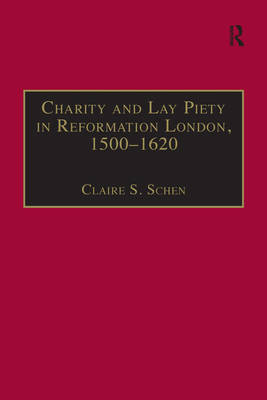
Charity and Lay Piety in Reformation London, 1500-1620
Claire S Schen
€ 305,45
+ 610 punten
Omschrijving
Charity and Lay Piety in Reformation London, 1500-1620 explores how the English Protestant Reformation was a reflection of genuine popular piety, as opposed to a political necessity imposed by the country's rulers. Through the prism of charity and lay piety, as expressed in the wills and testaments taken from selected London parishes, it charts the shifting religious ideas about salvation and the nature and causes of poverty in early modern London and England over a 120 year period. Studying the evolution of lay piety through the long stretch of the period 1500 to 1620, Claire Schen unites pre-Reformation England with that which followed, helping us understand how 'Reformations' or a 'Long Reformation' happened in London.
Specificaties
Betrokkenen
- Auteur(s):
- Uitgeverij:
Inhoud
- Aantal bladzijden:
- 297
- Taal:
- Engels
- Reeks:
Eigenschappen
- Productcode (EAN):
- 9780754600985
- Verschijningsdatum:
- 23/12/2002
- Uitvoering:
- Hardcover
- Formaat:
- Genaaid
- Afmetingen:
- 156 mm x 234 mm
- Gewicht:
- 594 g


Alleen bij Standaard Boekhandel
+ 610 punten op je klantenkaart van Standaard Boekhandel
Cadeau

AANGERADEN


Beoordelingen
We publiceren alleen reviews die voldoen aan de voorwaarden voor reviews. Bekijk onze voorwaarden voor reviews.