


- Afhalen na 1 uur in een winkel met voorraad
- Gratis thuislevering in België vanaf € 30
- Ruim aanbod met 7 miljoen producten
- Afhalen na 1 uur in een winkel met voorraad
- Gratis thuislevering in België vanaf € 30
- Ruim aanbod met 7 miljoen producten





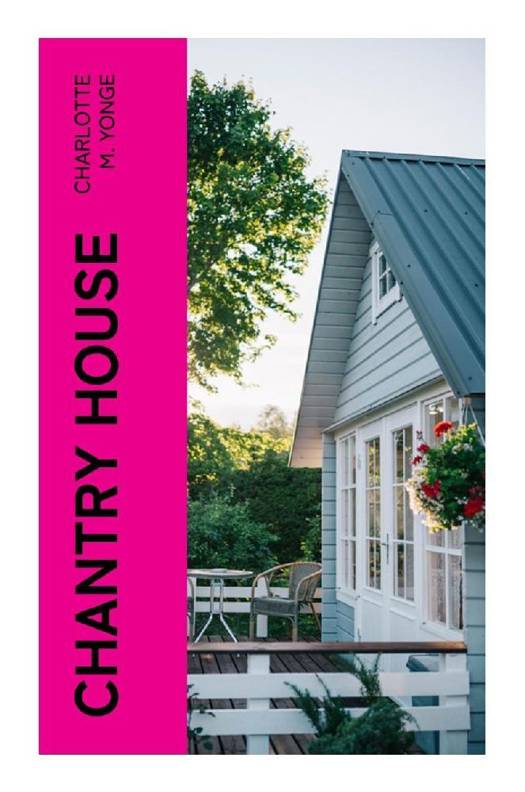
Chantry House
A Victorian Family Chronicle of Inheritance, Duty, High Church Values, and English Country House Secrets
Charlotte M. Yonge
Paperback | Engels
€ 12,95
+ 25 punten
Omschrijving
Chantry House is a late-Victorian domestic chronicle in which an old family dwelling becomes the moral and imaginative centre of lives shaped by memory, duty, inheritance, and spiritual trial. Yonge writes with the patient amplitude of the nineteenth-century family novel: incidents of childhood, household discipline, local society, and buried sorrows accumulate into a study of character under Providence. Its style is lucid, observant, and quietly didactic, linking the tradition of Austen's social exactness and Scott's antiquarian feeling to the Anglican earnestness of mid-Victorian fiction. Charlotte M. Yonge (1823-1901), one of the most prolific and influential women novelists of Victorian England, was deeply formed by the Oxford Movement and by her lifelong commitment to parish, education, and religious publishing. Her fiction often translates Tractarian ideals-self-command, vocation, obedience, sacramental seriousness-into domestic narrative. Chantry House reflects the experience of a writer attentive to familial bonds, historical continuity, and the moral education of the young. Readers who value reflective Victorian fiction will find Chantry House rewarding. It is especially recommended to those interested in religious realism, women's authorship, and the ethical imagination of the family novel.
Specificaties
Betrokkenen
- Auteur(s):
- Uitgeverij:
Inhoud
- Taal:
- Engels
Eigenschappen
- Productcode (EAN):
- 9788027379071
- Uitvoering:
- Paperback
- Afmetingen:
- 152 mm x 229 mm
- Gewicht:
- 251 g



Alleen bij Standaard Boekhandel
+ 25 punten op je klantenkaart van Standaard Boekhandel
CADEAU

AANGERADEN


Beoordelingen
We publiceren alleen reviews die voldoen aan de voorwaarden voor reviews. Bekijk onze voorwaarden voor reviews.