

- Afhalen na 1 uur in een winkel met voorraad
- Gratis thuislevering in België vanaf € 30
- Ruim aanbod met 7 miljoen producten
- Afhalen na 1 uur in een winkel met voorraad
- Gratis thuislevering in België vanaf € 30
- Ruim aanbod met 7 miljoen producten





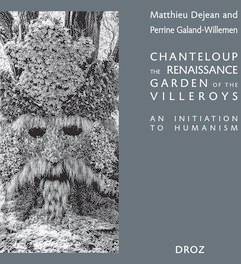
Chanteloup, the Renaissance garden of the Villeroys
an initiation to humanism
Matthieu Dejean, Perrine Galand-Willemen
Paperback | Engels
€ 59,50
+ 119 punten
Omschrijving
The garden of the Chanteloup castle (Saint-Germain-lès-Arpajon), owned by the Villeroy-Neufville family, was one of the wonders of the French Renaissance, which could compete with the great Italian gardens of the time. Perrine Galand- Willemen and Matthieu Dejean let revive this exceptional artistic creation in its historical and intellectual context. The authors have studied several travel guides and a long Latin poem entitled Cantilupum (Paris, 1587 ; 1588), which describes the meanders of the garden. Cantilupum was written by Madeleine de l'Aubespine-Villeroy (1546-1596), wife of Secretary of State Nicolas IV de Neufville-Villeroy, lady of honour of Catherine de Medici, woman of letters whom Ronsard considered his “spiritual daughter”. The garden of Chanteloup housed an extraordinary set of topiaries (carved shrubs), automata, statues, models and fountains, which recreated Roman civilization and offered an initiatory, stoic-Christian course to the walker.
Specificaties
Betrokkenen
- Auteur(s):
- Uitgeverij:
Inhoud
- Aantal bladzijden:
- 352
- Taal:
- Engels
Eigenschappen
- Productcode (EAN):
- 9782600062305
- Verschijningsdatum:
- 17/03/2022
- Uitvoering:
- Paperback
- Gewicht:
- 1100 g


Alleen bij Standaard Boekhandel
+ 119 punten op je klantenkaart van Standaard Boekhandel

Beoordelingen
We publiceren alleen reviews die voldoen aan de voorwaarden voor reviews. Bekijk onze voorwaarden voor reviews.