



Je cadeautjes zeker op tijd in huis hebben voor de feestdagen? Kom langs in onze winkels en vind het perfecte geschenk!
- Afhalen na 1 uur in een winkel met voorraad
- Gratis thuislevering in België vanaf € 30
- Ruim aanbod met 7 miljoen producten
Je cadeautjes zeker op tijd in huis hebben voor de feestdagen? Kom langs in onze winkels en vind het perfecte geschenk!
- Afhalen na 1 uur in een winkel met voorraad
- Gratis thuislevering in België vanaf € 30
- Ruim aanbod met 7 miljoen producten





€ 168,95
+ 337 punten
Uitvoering
Omschrijving
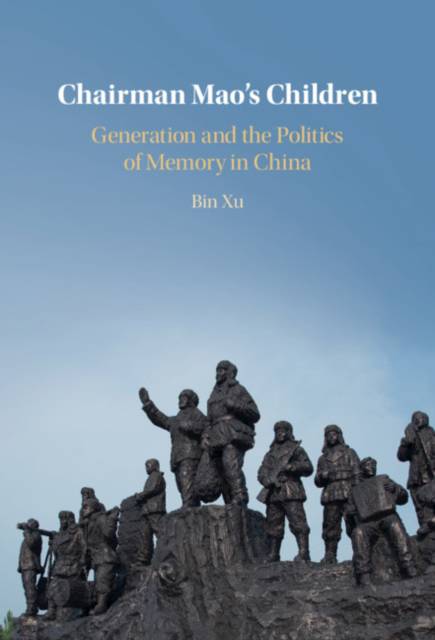
In the 1960s and 1970s, around 17 million Chinese youths were mobilized or forced by the state to migrate to rural villages and China's frontiers. Bin Xu tells the story of how this 'sent-down' generation have come to terms with their difficult past. Exploring representations of memory including personal life stories, literature, museum exhibits, and acts of commemoration, he argues that these representations are defined by a struggle to reconcile worthiness with the political upheavals of the Mao years. These memories, however, are used by the state to construct an official narrative that weaves this generation's experiences into an upbeat story of the 'China dream'. This marginalizes those still suffering and obscures voices of self-reflection on their moral-political responsibility for their actions. Xu provides careful analysis of this generation of 'Chairman Mao's children', caught between the political and the personal, past and present, nostalgia and regret, and pride and trauma.
Specificaties
Betrokkenen
- Auteur(s):
- Uitgeverij:
Inhoud
- Aantal bladzijden:
- 288
- Taal:
- Engels
Eigenschappen
- Productcode (EAN):
- 9781108844253
- Verschijningsdatum:
- 17/06/2021
- Uitvoering:
- Hardcover
- Formaat:
- Genaaid
- Afmetingen:
- 152 mm x 229 mm
- Gewicht:
- 553 g



Alleen bij Standaard Boekhandel
+ 337 punten op je klantenkaart van Standaard Boekhandel
CADEAU


Beoordelingen
We publiceren alleen reviews die voldoen aan de voorwaarden voor reviews. Bekijk onze voorwaarden voor reviews.