


- Afhalen na 1 uur in een winkel met voorraad
- Gratis thuislevering in België vanaf € 30
- Ruim aanbod met 7 miljoen producten
- Afhalen na 1 uur in een winkel met voorraad
- Gratis thuislevering in België vanaf € 30
- Ruim aanbod met 7 miljoen producten

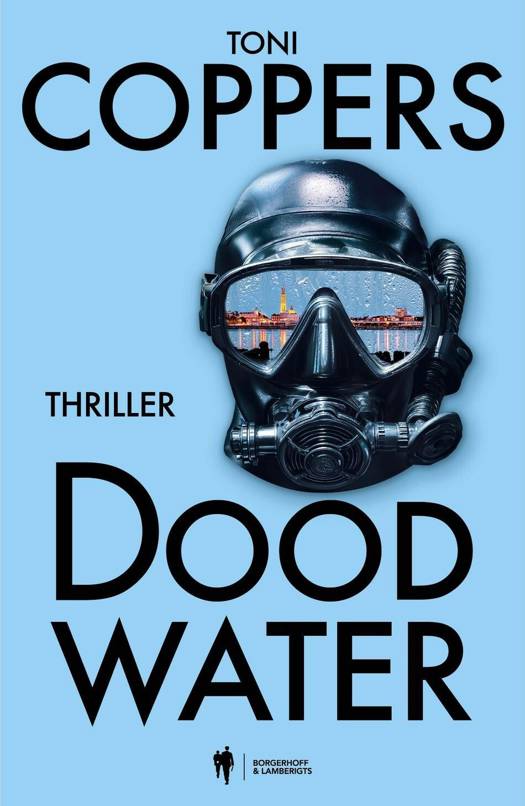



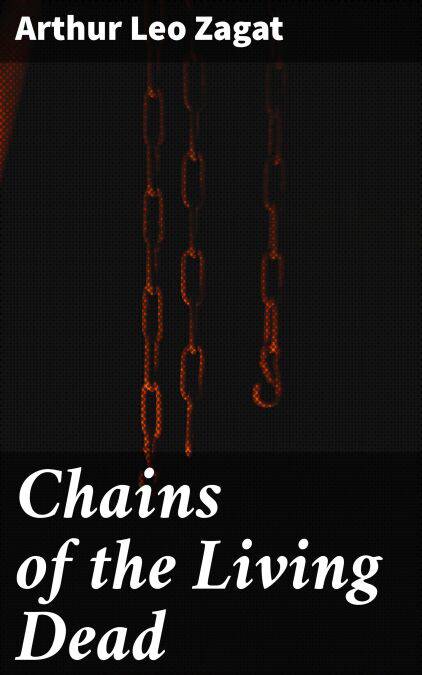
Chains of the Living Dead E-BOOK
Unearth the Macabre: A Chilling Tale of Undead Horror and Gothic Suspense
Arthur Leo Zagat
E-book | Engels
€ 1,99
+ 1 punten
Uitvoering
Omschrijving
In "Chains of the Living Dead," Arthur Leo Zagat weaves a chilling tale that merges the realms of horror and science fiction, presenting a unique lens through which to examine mortality and the human condition. Set against a backdrop of macabre events and fraught with existential dread, the narrative centers on the reanimation of the deceased, exploring themes of identity, ethics, and the boundaries of life itself. Zagat employs a compelling literary style that deftly balances vivid imagery with psychological depth, encapsulating the early 20th-century fascination with the supernatural and the scientific advancements of the era. Arthur Leo Zagat was an influential figure in the early pulp fiction movement, known for his contributions across various genres, including mystery and speculative fiction. His diverse background as a writer, lawyer, and fervent advocate for social justice informed his storytelling, imbuing it with a rich tapestry of moral questions and societal critiques. Zagat's experiences in a rapidly changing society provided fertile ground for the haunting narrative of "Chains of the Living Dead," prompting him to confront anxieties surrounding death and what lies beyond. This novel is highly recommended for those who appreciate thought-provoking horror that transcends mere thrill. Zagat's ability to intertwine fear with philosophical inquiry guarantees readers an unforgettable experience, prompting reflections on the nature of life and humanity's relentless pursuit of knowledge'Äîeven in the face of the unimaginable.
Specificaties
Betrokkenen
- Auteur(s):
- Uitgeverij:
Inhoud
- Aantal bladzijden:
- 47
- Taal:
- Engels
Eigenschappen
- Productcode (EAN):
- 4066338100696
- Verschijningsdatum:
- 8/11/2021
- Uitvoering:
- E-book
- Beveiligd met:
- Digital watermarking
- Formaat:
- ePub


Alleen bij Standaard Boekhandel
+ 1 punten op je klantenkaart van Standaard Boekhandel
CADEAU

AANGERADEN


Beoordelingen
We publiceren alleen reviews die voldoen aan de voorwaarden voor reviews. Bekijk onze voorwaarden voor reviews.