


- Afhalen na 1 uur in een winkel met voorraad
- Gratis thuislevering in België vanaf € 30
- Ruim aanbod met 7 miljoen producten
- Afhalen na 1 uur in een winkel met voorraad
- Gratis thuislevering in België vanaf € 30
- Ruim aanbod met 7 miljoen producten





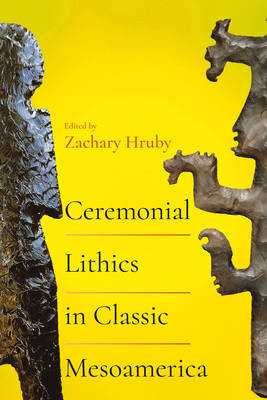
Ceremonial Lithics in Classic Mesoamerica
€ 203,95
+ 407 punten
Omschrijving
Ceremonial Lithics in Classic Mesoamerica explores how and why ceremonial lithic artifacts were made in ancient Mesoamerica's Classic period, focusing on their implications for economic and sociopolitical organization. Technological analyses of unique examples are interpreted to understand the processes of lithic production and how chipped stone was ritualized across Mesoamerica.
Investigations of ritualized lithics also draw on iconography, epigraphy, and ethnohistory to understand the meaning of these objects, including the so-called eccentric flints and obsidians of the Maya area and Central Mexico, massive debitage deposits in tomb contexts, and the use of utilitarian objects in ceremonial contexts. In the cases of the largest and most elaborate artifacts (e.g., the effigy flints of Copan, Honduras and the obsidian serpents of Teotihuacan), authors examine what the basic production processes may have been, while cases of blade and debitage deposits focus on how the objects were produced within their social context, in what sequence, and why they may have been chosen for ritual deposition.
Ceremonial Lithics in Classic Mesoamerica is the first book to address from a pan-Mesoamerican perspective how and why these objects were made. While obsidian and flint carried their own respective symbolic meanings, the final form of an artifact and the process of its production also contributed to its identification. Hence, this volume is an essential step toward understanding the ancient meanings imbued in these material objects.
Specificaties
Betrokkenen
- Uitgeverij:
Inhoud
- Aantal bladzijden:
- 394
- Taal:
- Engels
- Reeks:
Eigenschappen
- Productcode (EAN):
- 9781646427802
- Verschijningsdatum:
- 20/04/2026
- Uitvoering:
- Hardcover
- Formaat:
- Genaaid
- Afmetingen:
- 152 mm x 229 mm
- Gewicht:
- 453 g

Alleen bij Standaard Boekhandel
+ 407 punten op je klantenkaart van Standaard Boekhandel
Cadeau

AANGERADEN


Beoordelingen
We publiceren alleen reviews die voldoen aan de voorwaarden voor reviews. Bekijk onze voorwaarden voor reviews.