


- Afhalen na 1 uur in een winkel met voorraad
- Gratis thuislevering in België vanaf € 30
- Ruim aanbod met 7 miljoen producten
- Afhalen na 1 uur in een winkel met voorraad
- Gratis thuislevering in België vanaf € 30
- Ruim aanbod met 7 miljoen producten





€ 142,45
+ 284 punten
Uitvoering
Omschrijving
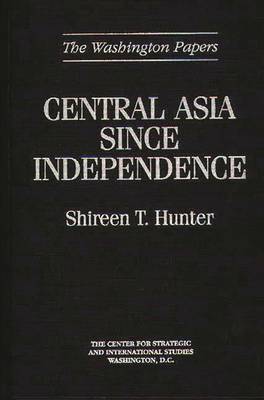
When the Soviet Union officially ended in December 1991 and was replaced by the Commonwealth of Independent States, the five Central Asian republics--Kazakstan, Kyrgystan, Tajikistan, Turkmenistan, and Uzbekistan--also became independent. This study examines the course of nationalist, ethnic, and pro-independence movements in the Central Asian region since 1991, as well as the geopolitical situation surrounding and involving these new states. Because of differences in size, ethnic composition, historical and cultural characteristics, resource base, and geographical location, these countries' patterns of evolution during the post-independence period have varied greatly. Nevertheless, during the last few years, certain basic common patterns have emerged, both in the political and economic development of the Central Asian states and in their external relations. These patterns and developments are analyzed here by a noted expert in Eurasian studies.
Specificaties
Betrokkenen
- Auteur(s):
- Uitgeverij:
Inhoud
- Aantal bladzijden:
- 240
- Taal:
- Engels
- Reeks:
Eigenschappen
- Productcode (EAN):
- 9780275955380
- Verschijningsdatum:
- 21/06/1996
- Uitvoering:
- Hardcover
- Formaat:
- Genaaid
- Afmetingen:
- 163 mm x 243 mm
- Gewicht:
- 498 g


Alleen bij Standaard Boekhandel
+ 284 punten op je klantenkaart van Standaard Boekhandel
Cadeau

AANGERADEN


Beoordelingen
We publiceren alleen reviews die voldoen aan de voorwaarden voor reviews. Bekijk onze voorwaarden voor reviews.