


- Afhalen na 1 uur in een winkel met voorraad
- Gratis thuislevering in België vanaf € 30
- Ruim aanbod met 7 miljoen producten
- Afhalen na 1 uur in een winkel met voorraad
- Gratis thuislevering in België vanaf € 30
- Ruim aanbod met 7 miljoen producten





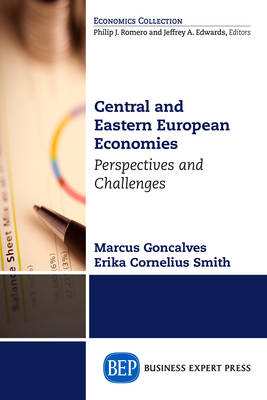
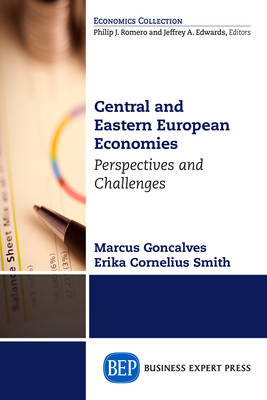
Central and Eastern European Economies
Perspectives and Challenges
Marcus Goncalves, Erika Cornelius Smith
Paperback | Engels
€ 30,95
+ 61 punten
Omschrijving
Nearly seven decades ago, six countries in Western Europe (Belgium, France, West Germany, Italy, Luxembourg, and the Netherlands) decided to take economic cooperation to the next level. The vision of the EU founding states, epitomized by the Schuman Declaration in 1950, was to tie their economies so closely together that war would become impossible. Robert Schuman, author of the plan, believed Europe could not be made all at once, or according to a single plan. It would have to be built through concrete achievements which first create a de facto solidarity. The countries within the "European Community" benefited enormously from free trade and common economic policies, in particular structural funds designed to foster convergence by funding infrastructure and investments in poorer regions. This book examines how similar transitions and integration into the European Union are experienced in individual central and eastern European states through the use of country scans in the regional blocks of CEE, SEE, and CIS.
Specificaties
Betrokkenen
- Auteur(s):
- Uitgeverij:
Inhoud
- Aantal bladzijden:
- 165
- Taal:
- Engels
Eigenschappen
- Productcode (EAN):
- 9781631575525
- Verschijningsdatum:
- 25/07/2016
- Uitvoering:
- Paperback
- Formaat:
- Trade paperback (VS)
- Afmetingen:
- 152 mm x 229 mm
- Gewicht:
- 244 g


Alleen bij Standaard Boekhandel
+ 61 punten op je klantenkaart van Standaard Boekhandel
Cadeau

AANGERADEN


Beoordelingen
We publiceren alleen reviews die voldoen aan de voorwaarden voor reviews. Bekijk onze voorwaarden voor reviews.