


- Afhalen na 1 uur in een winkel met voorraad
- Gratis thuislevering in België vanaf € 30
- Ruim aanbod met 7 miljoen producten
- Afhalen na 1 uur in een winkel met voorraad
- Gratis thuislevering in België vanaf € 30
- Ruim aanbod met 7 miljoen producten





€ 265,95
+ 531 punten
Omschrijving
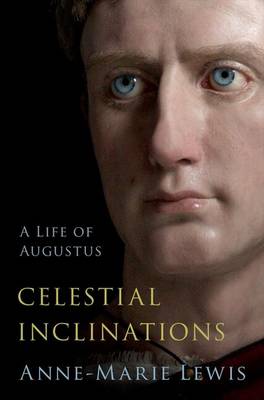
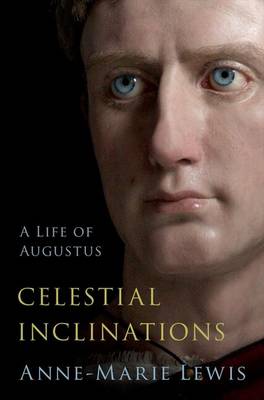
Celestial Inclinations provides a new perspective on the life and career of the first Roman emperor Augustus (63 B.C.-A.D. 14). It presents the case that Augustus used his knowledge of the celestial sphere to confirm for himself and convey to others that the heavens supported his activities on earth and his inevitable greatness. The book is based on fresh assessments of ancient historical, literary, astronomical, astrological, and artistic sources for the years prior to and during the life of Augustus. Anne-Marie Lewis combines these sources with astronomical sky maps and astrological diagrams to offer fresh interpretations of critical events in the life of Augustus at a time when the celestial sphere had come to play an important cultural and political role. Some of those events involve the identification of the celestial object that appeared at the ludi in honor of Caesar in 44 B.C.; the Battle of Actium; the iconography of the Tellus Relief Panel on the Ara Pacis Augustae; the Ludi Saeculares; Augustus' major building projects in Rome; and Augustus' interactions with major figures of the period such as Cicero, Caesar, Agrippa, and Antonius.
Specificaties
Betrokkenen
- Auteur(s):
- Uitgeverij:
Inhoud
- Aantal bladzijden:
- 556
- Taal:
- Engels
Eigenschappen
- Productcode (EAN):
- 9780197599648
- Verschijningsdatum:
- 24/02/2023
- Uitvoering:
- Hardcover
- Formaat:
- Genaaid
- Afmetingen:
- 162 mm x 235 mm
- Gewicht:
- 925 g


Alleen bij Standaard Boekhandel
+ 531 punten op je klantenkaart van Standaard Boekhandel
Cadeau

AANGERADEN


Beoordelingen
We publiceren alleen reviews die voldoen aan de voorwaarden voor reviews. Bekijk onze voorwaarden voor reviews.