


- Afhalen na 1 uur in een winkel met voorraad
- Gratis thuislevering in België vanaf € 30
- Ruim aanbod met 7 miljoen producten
- Afhalen na 1 uur in een winkel met voorraad
- Gratis thuislevering in België vanaf € 30
- Ruim aanbod met 7 miljoen producten





€ 16,95
+ 33 punten
Omschrijving
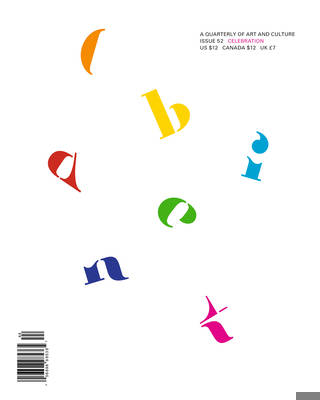
Celebration--acting variously as a binding force for a community or as a self-congratulatory act, carried out in settings as intimate as a family dinner and as grand as tickertape parades--would seem to be so fundamental to human behavior as to operate ahistorically. But the various ways we celebrate--how we crown our heroes, how and when we clap during an opera, how we wave our flags at victory celebrations, how we fête our celebrities--are structured in vastly different fashions depending on context and period. Cabinet 52, with a special section on "Celebration," features D. Graham Burnett on the history of confetti; George Pendle on stamps celebrating other nations' technological achievements; and James Trainor on the martial motifs of Israeli greeting cards. Elsewhere in the issue: Andrea Scott on the color bittersweet; Martin Kemp on Leonardo's library; and Sasha Archibald on the history of book indexes.
Specificaties
Betrokkenen
- Auteur(s):
- Uitgeverij:
Inhoud
- Aantal bladzijden:
- 112
- Taal:
- Engels
- Reeks:
- Reeksnummer:
- nr. 52
Eigenschappen
- Productcode (EAN):
- 9781932698602
- Verschijningsdatum:
- 30/06/2014
- Uitvoering:
- Paperback
- Formaat:
- Trade paperback (VS)
- Afmetingen:
- 198 mm x 246 mm
- Gewicht:
- 430 g


Alleen bij Standaard Boekhandel
+ 33 punten op je klantenkaart van Standaard Boekhandel
Cadeau

AANGERADEN


Beoordelingen
We publiceren alleen reviews die voldoen aan de voorwaarden voor reviews. Bekijk onze voorwaarden voor reviews.