


- Afhalen na 1 uur in een winkel met voorraad
- Gratis thuislevering in België vanaf € 30
- Ruim aanbod met 7 miljoen producten
- Afhalen na 1 uur in een winkel met voorraad
- Gratis thuislevering in België vanaf € 30
- Ruim aanbod met 7 miljoen producten





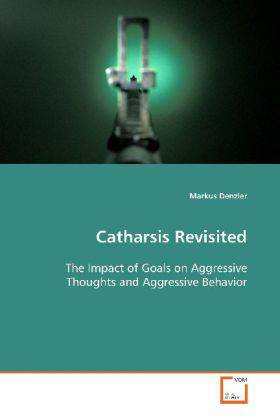
Catharsis Revisited
The Impact of Goals on Aggressive Thoughts and Aggressive Behavior
Markus Denzler
Paperback | Engels
€ 75,45
+ 150 punten
Omschrijving
A motivational look at Catharsis is investigated. It is assumed that a) the goal to aggress increases the accessibility of aggressive constructs, b) that this heightened accessibility is inhibited after goal-fulfillment and c) that aggressive behavior is reduced after goal-fulfillment. Study 1 showed an increase of aggressive constructs after priming the goal to aggress; after imagined and symbolic goal-fulfillment this accessibility was diminished. Study 2 showed that after fulfilling the goal to aggress also aggressive behavior was reduced. In addition, a non-aggressive way of goal-fulfillment further decreased aggressive behavior. Study 3 demonstrated that goal-fulfillment is necessary: without it, fictitious aggressive acts against an unrelated target increased aggression. Study 4 tested an alternative explanation for post-fulfillment reduction in accessibility, namely thought-suppression. Participants who were instructed to suppress aggressive thoughts had these thoughts more accessible than a group without suppression. Aggressive behavior was also more pronounced after suppression. The results are discussed in the realm of theories in motivation and aggression research.
Specificaties
Betrokkenen
- Auteur(s):
- Uitgeverij:
Inhoud
- Aantal bladzijden:
- 160
- Taal:
- Engels
Eigenschappen
- Productcode (EAN):
- 9783836494878
- Verschijningsdatum:
- 1/12/2008
- Uitvoering:
- Paperback
- Afmetingen:
- 152 mm x 220 mm
- Gewicht:
- 222 g


Alleen bij Standaard Boekhandel
+ 150 punten op je klantenkaart van Standaard Boekhandel
CADEAU

AANGERADEN


Beoordelingen
We publiceren alleen reviews die voldoen aan de voorwaarden voor reviews. Bekijk onze voorwaarden voor reviews.