


- Afhalen na 1 uur in een winkel met voorraad
- Gratis thuislevering in België vanaf € 30
- Ruim aanbod met 7 miljoen producten
- Afhalen na 1 uur in een winkel met voorraad
- Gratis thuislevering in België vanaf € 30
- Ruim aanbod met 7 miljoen producten





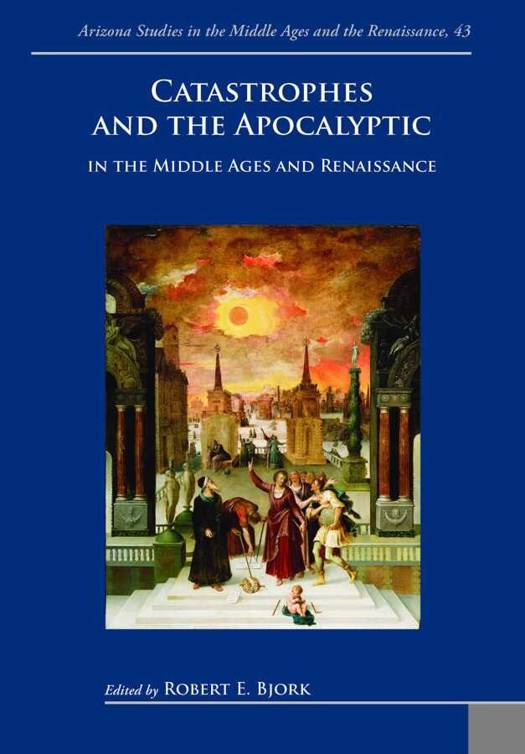
Catastrophes and the Apocalyptic in the Middle Ages and Renaissance
Robert Bjork
€ 79,50
+ 159 punten
Omschrijving
In the twenty-first century, insurance companies still refer to 'acts of God' for any accident or event not influenced by human beings: hurricanes, floods, hail, tsunamis, wildfires, earthquakes, tornados, lightning strikes, even falling trees. The remote origin of this concept can be traced to the Hebrew Bible. During the Second Temple period of Judaism a new literary form developed called 'apocalyptic' as a mediated revelation of heavenly secrets to a human sage concerning messages that could be cosmological, speculative, historical, teleological, or moral. The best-known development of this type of literature, however, came to fruition in the New Testament and is, of course, the Book of Revelation, attributed to the apostle John, and which figures prominently in the Middle Ages and Renaissance. This collection of essays, the result of the 2014 ACMRS Conference, treats the topic of catastrophes and their connection to apocalyptic mentalities and rhetoric in the Middle Ages and the Renaissance (with particular reference to reception of the Book of Revelation), both in Europe and in the Muslim world. The twelve authors contributing to this volume use terms that are simultaneously helpful and ambiguous for a whole range of phenomena and appraisal.
Specificaties
Betrokkenen
- Auteur(s):
- Uitgeverij:
Inhoud
- Aantal bladzijden:
- 207
- Taal:
- Engels
- Reeks:
- Reeksnummer:
- nr. 43
Eigenschappen
- Productcode (EAN):
- 9782503582979
- Verschijningsdatum:
- 28/06/2019
- Uitvoering:
- Hardcover
- Formaat:
- Genaaid
- Afmetingen:
- 163 mm x 239 mm
- Gewicht:
- 498 g


Alleen bij Standaard Boekhandel
+ 159 punten op je klantenkaart van Standaard Boekhandel
Cadeau

AANGERADEN


Beoordelingen
We publiceren alleen reviews die voldoen aan de voorwaarden voor reviews. Bekijk onze voorwaarden voor reviews.