


- Afhalen na 1 uur in een winkel met voorraad
- Gratis thuislevering in België vanaf € 30
- Ruim aanbod met 7 miljoen producten
- Afhalen na 1 uur in een winkel met voorraad
- Gratis thuislevering in België vanaf € 30
- Ruim aanbod met 7 miljoen producten





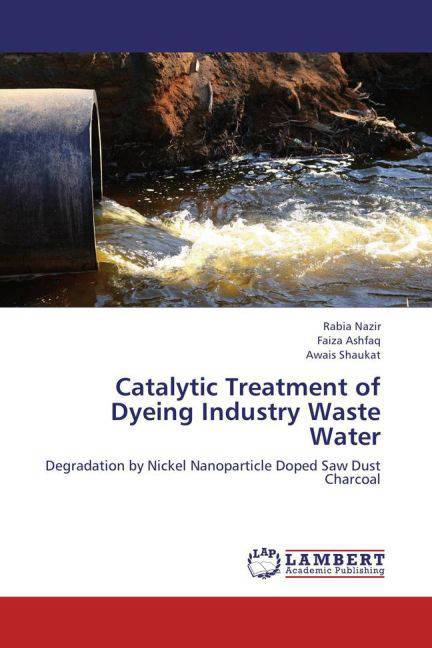
Catalytic Treatment of Dyeing Industry Waste Water
Degradation by Nickel Nanoparticle Doped Saw Dust Charcoal
Rabia Nazir, Faiza Ashfaq, Awais Shaukat
Paperback | Engels
€ 35,45
+ 70 punten
Omschrijving
Hues of colors look appealing when affixed on fabrics and is no doubt the main cause of attraction of a fabric. Earlier used natural colors though were safe, had low fastness properties and offered limited range of colors. In an attempt to improve the color range, fastness and fixture properties new synthetic nonbiodegradable dyes were swarmed into market but these dyes being toxic in nature have become a cause of concern to environmentalists. When these dyes are discharged into waste streams, they not only cause damage to the aesthetic value of waters but also impart their toxic and bio-accumulative effects. As these newly developed dyes remain persistent in environment for much longer periods of time and hence need to be tackled before they continue to deter and impart their negative impacts to environment. The present research is focused on degrading these dyes by utilization of solid waste that is abundantly available in third world countries, there by catering both issues of solid waste management and wastewater treatment in simple and cost-effective way. We strongly believe that this research is of interest of sizable community of environmental chemists and technologists.
Specificaties
Betrokkenen
- Auteur(s):
- Uitgeverij:
Inhoud
- Aantal bladzijden:
- 52
- Taal:
- Engels
Eigenschappen
- Productcode (EAN):
- 9783659423895
- Verschijningsdatum:
- 14/07/2013
- Uitvoering:
- Paperback
- Afmetingen:
- 150 mm x 220 mm
- Gewicht:
- 91 g


Alleen bij Standaard Boekhandel
+ 70 punten op je klantenkaart van Standaard Boekhandel
Cadeau

AANGERADEN


Beoordelingen
We publiceren alleen reviews die voldoen aan de voorwaarden voor reviews. Bekijk onze voorwaarden voor reviews.