


- Afhalen na 1 uur in een winkel met voorraad
- Gratis thuislevering in België vanaf € 30
- Ruim aanbod met 7 miljoen producten
- Afhalen na 1 uur in een winkel met voorraad
- Gratis thuislevering in België vanaf € 30
- Ruim aanbod met 7 miljoen producten





€ 33,95
+ 67 punten
Omschrijving
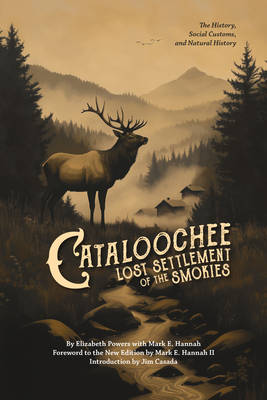
There is a buzz of excitement in Cataloochee these days. Visitors come into this section of the Great Smoky Mountains National Park by the thousands to view the majestic elk and other wildlife roaming the valley. However, there were no elk in Cataloochee for almost 200 years. European settlers arrived in North Carolina in 1587 and the Eastern Elk was hunted to extinction in the 1790s. Fortunately, elk were successfully reintroduced (from Kentucky and Canada) into Cataloochee in 2001 and appear to be on a path to success.
But what about the people? What about the Cataloochans who arrived after the elk? The valley has always been difficult to access and the people who came to the valley and settled it in the 1800s were made of sterner stuff than most. What happened to this settlement in the beautiful, remote Cataloochee Valley, which at one time boasted over 1200 residents and was the largest settlement in the Smokies?
This is their story ... as told by them.
But what about the people? What about the Cataloochans who arrived after the elk? The valley has always been difficult to access and the people who came to the valley and settled it in the 1800s were made of sterner stuff than most. What happened to this settlement in the beautiful, remote Cataloochee Valley, which at one time boasted over 1200 residents and was the largest settlement in the Smokies?
This is their story ... as told by them.
Specificaties
Betrokkenen
- Auteur(s):
- Uitgeverij:
Inhoud
- Aantal bladzijden:
- 338
- Taal:
- Engels
Eigenschappen
- Productcode (EAN):
- 9781469687926
- Verschijningsdatum:
- 25/09/2025
- Uitvoering:
- Paperback
- Formaat:
- Trade paperback (VS)
- Afmetingen:
- 152 mm x 229 mm
- Gewicht:
- 453 g


Alleen bij Standaard Boekhandel
+ 67 punten op je klantenkaart van Standaard Boekhandel
CADEAU

AANGERADEN


Beoordelingen
We publiceren alleen reviews die voldoen aan de voorwaarden voor reviews. Bekijk onze voorwaarden voor reviews.