


- Afhalen na 1 uur in een winkel met voorraad
- Gratis thuislevering in België vanaf € 30
- Ruim aanbod met 7 miljoen producten
- Afhalen na 1 uur in een winkel met voorraad
- Gratis thuislevering in België vanaf € 30
- Ruim aanbod met 7 miljoen producten





€ 155,95
+ 311 punten
Omschrijving
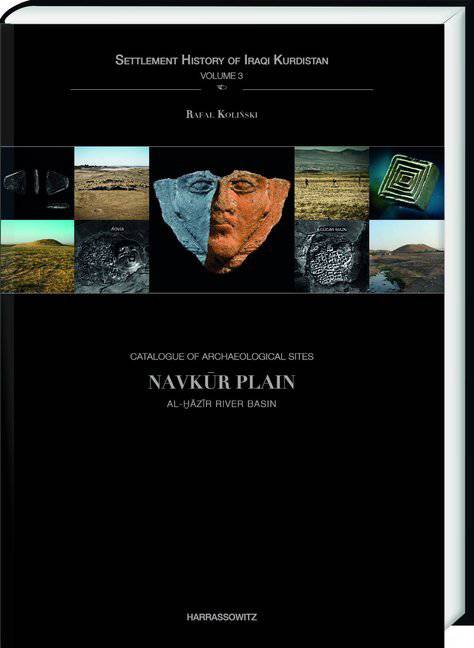
The Upper Greater Zab Archaeological Reconnaissance (UGZAR) project carried out an archaeological survey in the Iraqi Kurdistan on an area over 3,000 km2 big, located on both banks of the Greater Zab River, to the north and north-west of Erbil. During six field seasons, conducted in 2012-2017, the Polish team from the Adam Mickiewicz University in Poznan documented there 313 archaeological sites, 110 caves and 78 other heritage monuments (churches, monasteries, mosques, castles, mills, tombs and cemeteries, etc.), as well as 4 rock reliefs (3 in Gundk and 1 in Batas). During the fieldwork, nearly 20,000 artefacts dating from the Late Neolithic (Hassuna culture) to the modern period (early 20th century) were collected and documented. Rafal Kolinski presents archaeological sites located on the Navkur Plain, along the western limit of the survey area. He also discusses earlier archaeological fieldwork carried out in the area (mainly by the Iraqi Antiquity Service) and presents studies of available historical (from U2 spy mission B1554 in 1960 and CORONA spy satellite missions 1107 in 1967 and 1968) and modern aerial imagery of the region. The catalogue includes information about 38 sites located along the streams contributing to the al-Ḫazir river which flows c. 10 km to the west of the western limit of the study area. The richly-illustrated volume contains a description of each site (GIS information, determination of threats and damages, and analysis of the settlement history), its plan and photographs, as well as an extensive presentation of surface finds (mainly pottery), accompanied by drawings, colour photographs, and technological descriptions.
Specificaties
Betrokkenen
- Auteur(s):
- Uitgeverij:
Inhoud
- Aantal bladzijden:
- 510
- Taal:
- Engels
- Reeks:
- Reeksnummer:
- nr. 3
Eigenschappen
- Productcode (EAN):
- 9783447113250
- Verschijningsdatum:
- 4/12/2019
- Uitvoering:
- Hardcover
- Formaat:
- Genaaid
- Afmetingen:
- 221 mm x 304 mm
- Gewicht:
- 2353 g


Alleen bij Standaard Boekhandel
+ 311 punten op je klantenkaart van Standaard Boekhandel
Cadeau

AANGERADEN


Beoordelingen
We publiceren alleen reviews die voldoen aan de voorwaarden voor reviews. Bekijk onze voorwaarden voor reviews.