



Je cadeautjes zeker op tijd in huis hebben voor de feestdagen? Kom langs in onze winkels en vind het perfecte geschenk!
- Afhalen na 1 uur in een winkel met voorraad
- Gratis thuislevering in België vanaf € 30
- Ruim aanbod met 7 miljoen producten
Je cadeautjes zeker op tijd in huis hebben voor de feestdagen? Kom langs in onze winkels en vind het perfecte geschenk!
- Afhalen na 1 uur in een winkel met voorraad
- Gratis thuislevering in België vanaf € 30
- Ruim aanbod met 7 miljoen producten





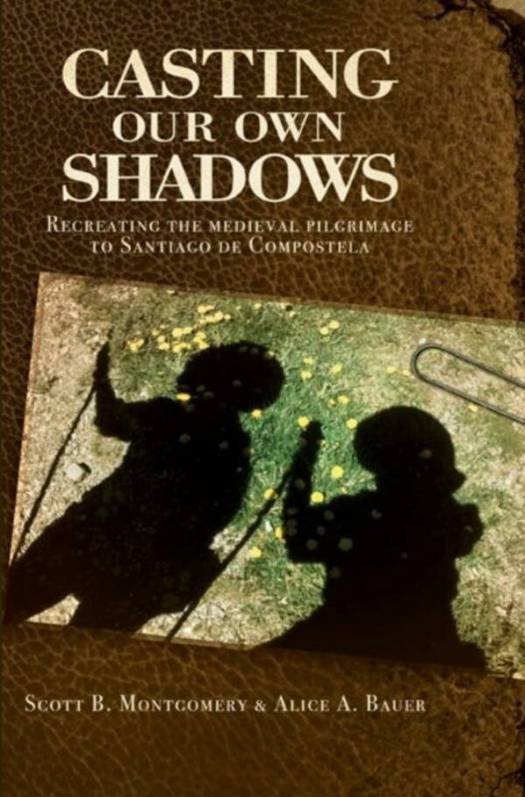
Casting Our Own Shadows
Recreating the Medieval Pilgrimage to Santiago de Compostela
Scott Montgomery
Paperback | Engels
€ 19,95
+ 39 punten
Omschrijving
During the summer of the year 2000, Medieval Art Historian Scott Montgomery and Early Modern Historian Alice Bauer undertook the task of retracing the medieval pilgrimage route to Santiago de Compostela. This book documents their thousand-mile, sixty-seven-day journey walking from Le Puy en Velay, France to the tomb of St. James at Santiago de Compostela, Spain. It also examines the historical background and numerous historical lessons gleaned from the experience.
As academics, Montgomery and Bauer sought to understand the daily life and experience of medieval pilgrims through their own observations, emotions, and limbs. In exploring the temporal and geographical aspects of the pilgrimage, the authors discuss the varied motivations and experiences of pilgrims then and now, unraveling the connections between past and present in the cultures and practices of the pilgrimage to Santiago de Compostela. Terrain, art, cuisine, community, emotion and belief are all explored in their manifold inter-relationships. The authors also seek to situate the medieval art of the pilgrimage road within the context of the pilgrims’ experience.
As academics, Montgomery and Bauer sought to understand the daily life and experience of medieval pilgrims through their own observations, emotions, and limbs. In exploring the temporal and geographical aspects of the pilgrimage, the authors discuss the varied motivations and experiences of pilgrims then and now, unraveling the connections between past and present in the cultures and practices of the pilgrimage to Santiago de Compostela. Terrain, art, cuisine, community, emotion and belief are all explored in their manifold inter-relationships. The authors also seek to situate the medieval art of the pilgrimage road within the context of the pilgrims’ experience.
Specificaties
Betrokkenen
- Auteur(s):
- Uitgeverij:
Inhoud
- Aantal bladzijden:
- 210
- Taal:
- Engels
Eigenschappen
- Productcode (EAN):
- 9789403645711
- Verschijningsdatum:
- 17/11/2021
- Uitvoering:
- Paperback
- Afmetingen:
- 155 mm x 235 mm
- Gewicht:
- 364 g


Alleen bij Standaard Boekhandel
+ 39 punten op je klantenkaart van Standaard Boekhandel
CADEAU


Beoordelingen
We publiceren alleen reviews die voldoen aan de voorwaarden voor reviews. Bekijk onze voorwaarden voor reviews.