


- Afhalen na 1 uur in een winkel met voorraad
- Gratis thuislevering in België vanaf € 30
- Ruim aanbod met 7 miljoen producten
- Afhalen na 1 uur in een winkel met voorraad
- Gratis thuislevering in België vanaf € 30
- Ruim aanbod met 7 miljoen producten





€ 305,45
+ 610 punten
Omschrijving
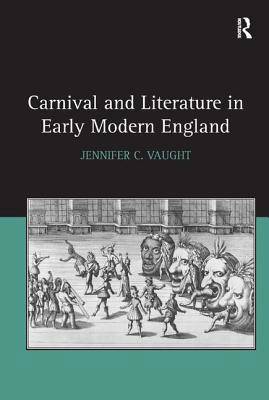
Carnival and Literature in Early Modern England explores the elite and popular festive materials appropriated by authors during the English Renaissance in a wide range of dramatic and non-dramatic texts. Although historical records of rural, urban, and courtly seasonal customs in early modern England exist only in fragmentary form, Jennifer Vaught traces the sustained impact of festivals and rituals on the plays and poetry of sixteenth- and seventeenth-century English writers. She focuses on the diverse ways in which Shakespeare, Spenser, Marlowe, Dekker, Jonson, Milton and Herrick incorporated the carnivalesque in their works. Further, she demonstrates how these early modern texts were used-and misused-by later writers, performers, and inventors of spectacles, notably Mardi Gras krewes organizing parades in the American Deep South. The works featured here often highlight violent conflicts between individuals of different ranks, ethnicities, and religions, which the author argues reflect the social realities of the time. These Renaissance writers responded to republican, egalitarian notions of liberty for the populace with radical support, ambivalence, or conservative opposition. Ultimately, the vital, folkloric dimension of these plays and poems challenges the notion that canonical works by Shakespeare and his contemporaries belong only to 'high' and not to 'low' culture.
Specificaties
Betrokkenen
- Auteur(s):
- Uitgeverij:
Inhoud
- Aantal bladzijden:
- 208
- Taal:
- Engels
Eigenschappen
- Productcode (EAN):
- 9781409432081
- Verschijningsdatum:
- 28/07/2012
- Uitvoering:
- Hardcover
- Formaat:
- Genaaid
- Afmetingen:
- 156 mm x 234 mm
- Gewicht:
- 467 g


Alleen bij Standaard Boekhandel
+ 610 punten op je klantenkaart van Standaard Boekhandel

Beoordelingen
We publiceren alleen reviews die voldoen aan de voorwaarden voor reviews. Bekijk onze voorwaarden voor reviews.