


- Afhalen na 1 uur in een winkel met voorraad
- Gratis thuislevering in België vanaf € 30
- Ruim aanbod met 7 miljoen producten
- Afhalen na 1 uur in een winkel met voorraad
- Gratis thuislevering in België vanaf € 30
- Ruim aanbod met 7 miljoen producten





€ 333,90
+ 667 punten
Omschrijving
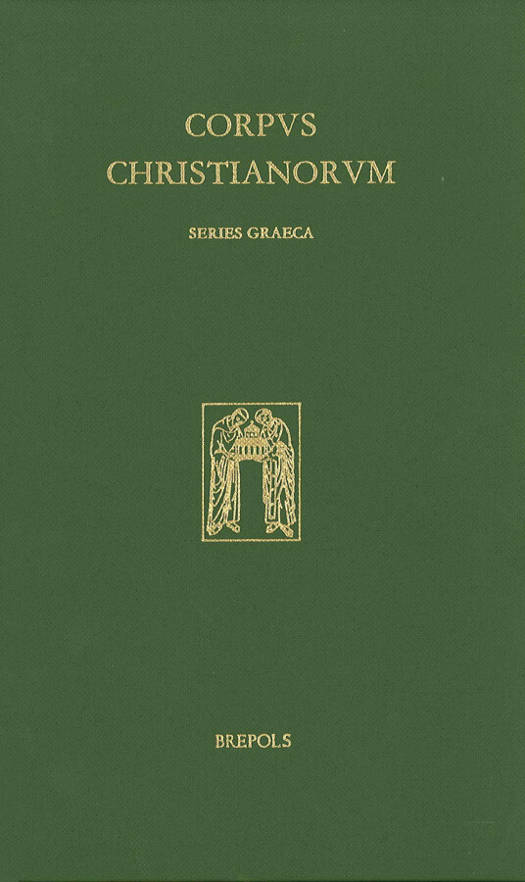
The twenty Poems of Theodore Metochites (ca. 1270-1332) constitute a unique corpus of approximately 10.000 verses composed in the traditional Homeric hexameter. Metochites did not use the most common iambic verse, but chose to commemorate his deeds and immortalize his thoughts and experiences in the heroic Homeric verse. At the same time he took advantage of the poetic works of Gregory of Nazianzus, who exercised a considerable influence upon his language and his general attitude towards his fellow men and his social environment. The poems of Metochites, both in their entirety and each one of them separately, are a curious mixture of various genres (autobiography, ekphrasis, letter, hagiographical praise), which testify to their author's wide range of interests and his bold attempt to renovate the traditional patterns of Byzantine poetry. Some poems are addressed to his friends (e.g. Nikephoros Kallistos Xanthopoulos or Leo Vardales), but most of them are addressed to the author himself. Metochites was quite pessimistic about the situation of the state and of his own affairs, and gave expression to his inner feelings of frustration and sadness in a rather unrestrained manner. Most of these poems had been published in the past, but their editions are either difficult to obtain or inadequate. In the introduction the editor sketches a balanced portrait of Metochites as a poet, underlining both his merits and his limitations.
Specificaties
Betrokkenen
- Auteur(s):
- Uitgeverij:
Inhoud
- Aantal bladzijden:
- 374
- Taal:
- Frans
- Reeks:
- Reeksnummer:
- nr. 83
Eigenschappen
- Productcode (EAN):
- 9782503564562
- Verschijningsdatum:
- 18/03/2016
- Uitvoering:
- Hardcover
- Formaat:
- Genaaid
- Gewicht:
- 1710 g


Alleen bij Standaard Boekhandel
+ 667 punten op je klantenkaart van Standaard Boekhandel
Cadeau

AANGERADEN


Beoordelingen
We publiceren alleen reviews die voldoen aan de voorwaarden voor reviews. Bekijk onze voorwaarden voor reviews.