


- Afhalen na 1 uur in een winkel met voorraad
- Gratis thuislevering in België vanaf € 30
- Ruim aanbod met 7 miljoen producten
- Afhalen na 1 uur in een winkel met voorraad
- Gratis thuislevering in België vanaf € 30
- Ruim aanbod met 7 miljoen producten





€ 100,70
+ 201 punten
Omschrijving
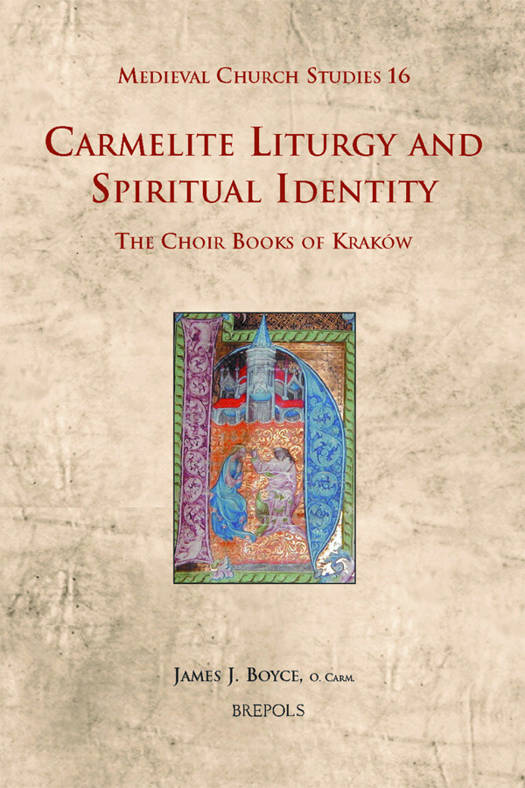
This book discusses the significance of the Carmelite liturgy as practised in the Krakow convent over a period of some four hundred years. Specifically, it examines the liturgical contents of five medieval Carmelite choir books from the Krakow convent and another choir book from this collection which is now in Wroclaw, and discusses their contents (especially their significant feasts), in terms of the Carmelite order's historical self-understanding and established liturgical tradition. Carmelite Liturgy and Spiritual Identity outlines the role of liturgy in the life of the Krakow convent and in relationship to the apostolic activity of these mendicant friars. It argues that the order's unique liturgical tradition, one which remained distinctive even after the Council of Trent, was crucial to their self-understanding. It also articulates how the liturgical practices of the Krakow Carmelites made a significant contribution to the spiritual life of the city and its people.
Specificaties
Betrokkenen
- Auteur(s):
- Uitgeverij:
Inhoud
- Aantal bladzijden:
- 524
- Taal:
- Frans
- Reeks:
- Reeksnummer:
- nr. 16
Eigenschappen
- Productcode (EAN):
- 9782503517148
- Verschijningsdatum:
- 29/04/2009
- Uitvoering:
- Hardcover
- Formaat:
- Genaaid
- Afmetingen:
- 165 mm x 241 mm
- Gewicht:
- 1056 g


Alleen bij Standaard Boekhandel
+ 201 punten op je klantenkaart van Standaard Boekhandel
Cadeau

AANGERADEN


Beoordelingen
We publiceren alleen reviews die voldoen aan de voorwaarden voor reviews. Bekijk onze voorwaarden voor reviews.