



- Afhalen na 1 uur in een winkel met voorraad
- In januari gratis thuislevering in België
- Ruim aanbod met 7 miljoen producten
- Afhalen na 1 uur in een winkel met voorraad
- In januari gratis thuislevering in België
- Ruim aanbod met 7 miljoen producten





€ 50,95
+ 101 punten
Omschrijving
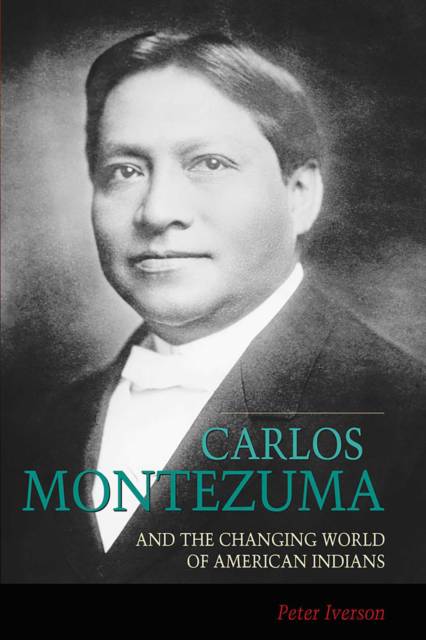
Carlos Montezuma (1866-1923) was one of the great Native American crusaders for Indian rights in the early twentieth century. This biography by an authority on Southwest Indian history tells a dramatic story that sheds light both on Montezuma's career and on the movements he influenced. A southern Arizona Yavapai called Wassaja by his parents, Montezuma was captured by rival tribesman as a boy and sold to a white man who gave him the name by which we know him. Trained as a physician, his career as a reformer began when he went to work at the Carlisle Indian School, for here--in addition to serving as physician to the famous Carlisle football team--he was able to meet many of the people centrally involved in the administration of federal Indian policy. Shortly after the turn of the century Montezuma emerged as a national leader of Native American affairs. He helped to found the Society of American Indians and became increasingly involved in the affairs of the Fort McDowell Yavapai reservation, earning fame among pan-Indian activists and among his own people in Arizona and attaining notoriety in the BIA.
Specificaties
Betrokkenen
- Auteur(s):
- Uitgeverij:
Inhoud
- Aantal bladzijden:
- 238
- Taal:
- Engels
Eigenschappen
- Productcode (EAN):
- 9780826307620
- Verschijningsdatum:
- 1/11/1982
- Uitvoering:
- Paperback
- Formaat:
- Trade paperback (VS)
- Afmetingen:
- 152 mm x 229 mm
- Gewicht:
- 358 g


Alleen bij Standaard Boekhandel
+ 101 punten op je klantenkaart van Standaard Boekhandel
Cadeau

AANGERADEN


Beoordelingen
We publiceren alleen reviews die voldoen aan de voorwaarden voor reviews. Bekijk onze voorwaarden voor reviews.