


- Afhalen na 1 uur in een winkel met voorraad
- Gratis thuislevering in België vanaf € 30
- Ruim aanbod met 7 miljoen producten
- Afhalen na 1 uur in een winkel met voorraad
- Gratis thuislevering in België vanaf € 30
- Ruim aanbod met 7 miljoen producten





Omschrijving
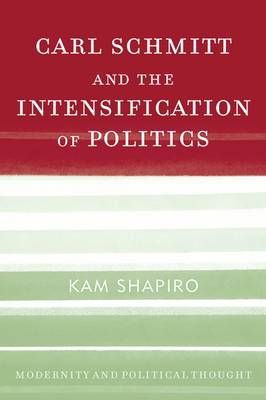
This book explores Carl Schmitt's efforts to distinguish sources of sovereignty and political identity in an age of rapid and volatile social change. In Schmitt writings, Shapiro finds a dynamic conception of the relationship between political power and social form, organic traditions and their strategic deployment. As these writings indicate, the political constitution of a sovereign people involves the channeling of attachments and antagonisms of various kinds. The book explicates this process as it appears in changing contexts, following Schmitt's turn from Catholic politics to secular nationalism, and finally beyond the nation-state during and after the Second World War. These shifts in Schmitt's approach reflect a general intensification of politics as its grounds are rendered increasingly fluid and volatile by accelerated movements of finance, warfare and communication. The result is a both a transformation in the practice of government - requiring flexible and rapid adjustments to changes across the globe - and in the nature of legitimacy, whereby an ethos of belief grounded in relatively stable cultural and social rituals is supplanted by a more fluid and mobile pathos of identification.
Specificaties
Betrokkenen
- Auteur(s):
- Uitgeverij:
Inhoud
- Aantal bladzijden:
- 152
- Taal:
- Engels
- Reeks:
Eigenschappen
- Productcode (EAN):
- 9780742533424
- Verschijningsdatum:
- 16/02/2010
- Uitvoering:
- Paperback
- Formaat:
- Trade paperback (VS)
- Afmetingen:
- 150 mm x 224 mm
- Gewicht:
- 226 g


Alleen bij Standaard Boekhandel
+ 152 punten op je klantenkaart van Standaard Boekhandel
Cadeau

AANGERADEN


Beoordelingen
We publiceren alleen reviews die voldoen aan de voorwaarden voor reviews. Bekijk onze voorwaarden voor reviews.