


- Afhalen na 1 uur in een winkel met voorraad
- Gratis thuislevering in België vanaf € 30
- Ruim aanbod met 7 miljoen producten
- Afhalen na 1 uur in een winkel met voorraad
- Gratis thuislevering in België vanaf € 30
- Ruim aanbod met 7 miljoen producten




€ 82,95
+ 165 punten
Omschrijving
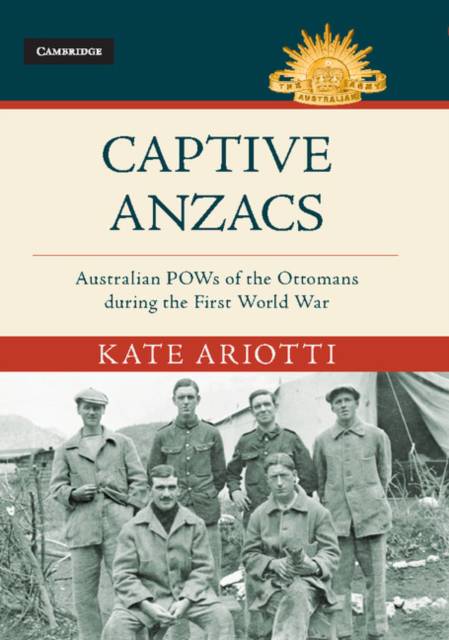
During the First World War, 198 Australians became prisoners of the Ottomans. Overshadowed by the grief and hardship that characterised the post-war period, and by the enduring myth of the fighting Anzac, these POWs have long been neglected in the national memory of the war. Captive Anzacs explores how the prisoners felt about their capture and how they dealt with the physical and psychological strain of imprisonment, as well as the legacy of their time as POWs. More broadly, it explores public perceptions of the prisoners, the effects of their captivity on their families, and how military, government and charitable organisations responded to the POWs both during and after the War. Intertwining rich detail from letters, diaries and other personal papers with official records, Kate Ariotti offers a comprehensive, nuanced account of this aspect of Australian war history.
Specificaties
Betrokkenen
- Auteur(s):
- Uitgeverij:
Inhoud
- Aantal bladzijden:
- 238
- Taal:
- Engels
- Reeks:
Eigenschappen
- Productcode (EAN):
- 9781107198647
- Verschijningsdatum:
- 1/05/2018
- Uitvoering:
- Hardcover
- Formaat:
- Genaaid
- Afmetingen:
- 161 mm x 235 mm
- Gewicht:
- 521 g


Alleen bij Standaard Boekhandel
+ 165 punten op je klantenkaart van Standaard Boekhandel
Cadeau

AANGERADEN


Beoordelingen
We publiceren alleen reviews die voldoen aan de voorwaarden voor reviews. Bekijk onze voorwaarden voor reviews.