


- Afhalen na 1 uur in een winkel met voorraad
- Gratis thuislevering in België vanaf € 30
- Ruim aanbod met 7 miljoen producten
- Afhalen na 1 uur in een winkel met voorraad
- Gratis thuislevering in België vanaf € 30
- Ruim aanbod met 7 miljoen producten





€ 57,95
+ 115 punten
Uitvoering
Omschrijving
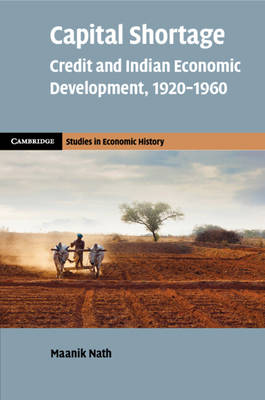
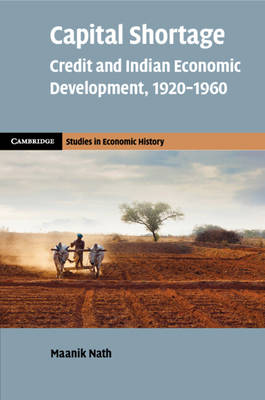
The great majority of the population in colonial and postcolonial India lived in the countryside and were poor. Many were unable to find gainful work outside agriculture and remained dependent on a livelihood that provided only subsistence, and a precarious one. Seeking the roots of persistent poverty, Maanik Nath finds that the pervasive high cost and shortage of capital affected the peasant's ability to invest in land. The productivity of land, as a result, remained small and changed little. Bridging economic theory and historical evidence, Capital Shortage shows that climate, law, policy design, and interactions between these factors, perpetuated a stubborn cycle of low investment and widespread deprivation over several decades. These findings can be tested against credit and development in preceding and succeeding periods as well as positioned in comparative global context.
Specificaties
Betrokkenen
- Auteur(s):
- Uitgeverij:
Inhoud
- Aantal bladzijden:
- 247
- Taal:
- Engels
- Reeks:
Eigenschappen
- Productcode (EAN):
- 9781009359047
- Verschijningsdatum:
- 8/05/2025
- Uitvoering:
- Paperback
- Formaat:
- Trade paperback (VS)
- Afmetingen:
- 152 mm x 229 mm
- Gewicht:
- 335 g


Alleen bij Standaard Boekhandel
+ 115 punten op je klantenkaart van Standaard Boekhandel
Cadeau

AANGERADEN


Beoordelingen
We publiceren alleen reviews die voldoen aan de voorwaarden voor reviews. Bekijk onze voorwaarden voor reviews.