


- Afhalen na 1 uur in een winkel met voorraad
- Gratis thuislevering in België vanaf € 30
- Ruim aanbod met 7 miljoen producten
- Afhalen na 1 uur in een winkel met voorraad
- Gratis thuislevering in België vanaf € 30
- Ruim aanbod met 7 miljoen producten





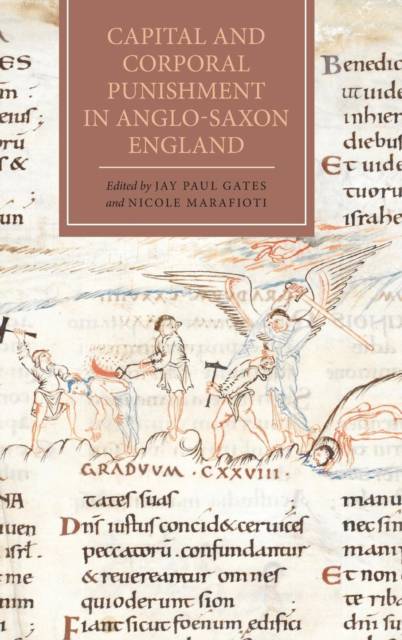
Capital and Corporal Punishment in Anglo-Saxon England
€ 177,45
+ 354 punten
Omschrijving
Anglo-Saxon authorities often punished lawbreakers with harsh corporal penalties, such as execution, mutilation and imprisonment. Despite their severity, however, these penalties were not arbitrary exercises of power. Rather, they were informed by nuanced philosophies of punishment which sought to resolve conflict, keep the peace and enforce Christian morality. The ten essays in this volume engage legal, literary, historical, and archaeological evidence to investigate the role of punishment in Anglo-Saxon society, looking at the shift from feud to top-down punishment; how punishment was used to enhance royal standing; and the intersection of secular punishment and penitential practice.
Specificaties
Betrokkenen
- Uitgeverij:
Inhoud
- Aantal bladzijden:
- 224
- Taal:
- Engels
- Reeks:
- Reeksnummer:
- nr. 23
Eigenschappen
- Productcode (EAN):
- 9781843839187
- Verschijningsdatum:
- 17/07/2014
- Uitvoering:
- Hardcover
- Formaat:
- Genaaid
- Afmetingen:
- 156 mm x 234 mm
- Gewicht:
- 494 g

Alleen bij Standaard Boekhandel
+ 354 punten op je klantenkaart van Standaard Boekhandel
CADEAU

AANGERADEN


Beoordelingen
We publiceren alleen reviews die voldoen aan de voorwaarden voor reviews. Bekijk onze voorwaarden voor reviews.