



Bedankt voor het vertrouwen het afgelopen jaar! Om jou te bedanken bieden we GRATIS verzending (in België) aan op alles gedurende de hele maand januari.
- Afhalen na 1 uur in een winkel met voorraad
- Gratis thuislevering in België vanaf € 30
- Ruim aanbod met 7 miljoen producten
Bedankt voor het vertrouwen het afgelopen jaar! Om jou te bedanken bieden we GRATIS verzending (in België) aan op alles gedurende de hele maand januari.
- Afhalen na 1 uur in een winkel met voorraad
- Gratis thuislevering in België vanaf € 30
- Ruim aanbod met 7 miljoen producten





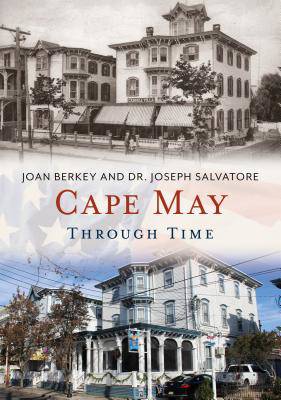
Omschrijving
Cape May, New Jersey, evolved from a popular seaside resort in the 1800s to a National Historic Landmark, showcasing Victorian architecture.
As early as 1776, the resort of Cape May in southern New Jersey was recognized as a popular, healthy place for bathing in the Atlantic Ocean. The hotels were boarding houses erected in the early 1800s, and by 1850 the town had nearly two dozen, all built of wood. The establishment of railroad service in 1863 brought a new era of growth and more fashionable hotels. Hailed as the "queen of seaside resorts," Cape May attracted tourists from Philadelphia, Baltimore, and even the Deep South, many who built summer cottages along the oceanfront. A devastating, 35-acre fire in 1878 destroyed seven hotels and more than thirty cottages in the heart of town, but they were quickly replaced with new ones adorned with broad porches and lavished with gingerbread trim. Today, most of the city is a National Historic Landmark in recognition of its well-preserved collection of Victorian-era buildings, considered the best assemblage east of the Mississippi River.
As early as 1776, the resort of Cape May in southern New Jersey was recognized as a popular, healthy place for bathing in the Atlantic Ocean. The hotels were boarding houses erected in the early 1800s, and by 1850 the town had nearly two dozen, all built of wood. The establishment of railroad service in 1863 brought a new era of growth and more fashionable hotels. Hailed as the "queen of seaside resorts," Cape May attracted tourists from Philadelphia, Baltimore, and even the Deep South, many who built summer cottages along the oceanfront. A devastating, 35-acre fire in 1878 destroyed seven hotels and more than thirty cottages in the heart of town, but they were quickly replaced with new ones adorned with broad porches and lavished with gingerbread trim. Today, most of the city is a National Historic Landmark in recognition of its well-preserved collection of Victorian-era buildings, considered the best assemblage east of the Mississippi River.
Specificaties
Betrokkenen
- Auteur(s):
- Uitgeverij:
Inhoud
- Aantal bladzijden:
- 96
- Taal:
- Engels
Eigenschappen
- Productcode (EAN):
- 9781635000658
- Verschijningsdatum:
- 2/04/2018
- Uitvoering:
- Paperback
- Formaat:
- Trade paperback (VS)
- Afmetingen:
- 165 mm x 234 mm
- Gewicht:
- 272 g


Alleen bij Standaard Boekhandel
+ 63 punten op je klantenkaart van Standaard Boekhandel
CADEAU


Beoordelingen
We publiceren alleen reviews die voldoen aan de voorwaarden voor reviews. Bekijk onze voorwaarden voor reviews.