


- Afhalen na 1 uur in een winkel met voorraad
- Gratis thuislevering in België vanaf € 30
- Ruim aanbod met 7 miljoen producten
- Afhalen na 1 uur in een winkel met voorraad
- Gratis thuislevering in België vanaf € 30
- Ruim aanbod met 7 miljoen producten





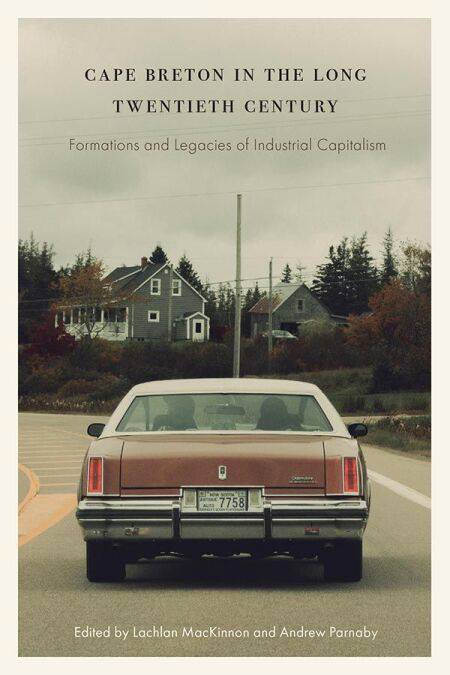
Cape Breton in the Long Twentieth Century E-BOOK
Formations and Legacies of Industrial Capitalism
€ 29,99
+ 29 punten
Uitvoering
Eenvoudig bestellen
Veilig betalen


Onmiddellijk geleverd via e-mail
Omschrijving
The emergence, dominance, and alarmingly rapid retreat of modernist industrial capitalism on Cape Breton Island during the “long twentieth century” offers a particularly captivating window on the lasting and varied effects of deindustrialization. Now, at the tail end of the industrial moment in North American history, the story of Cape Breton Island presents an opportunity to reflect on how industrialization and deindustrialization have shaped human experiences. Covering the period between 1860 and the early 2000s, this volume looks at trade unionism, state and cultural responses to deindustrialization, including the more recent pivot towards the tourist industry, and the lived experiences of Indigenous and Black people. Rather than focusing on the separate or distinct nature of Cape Breton, contributors place the island within broad transnational networks such as the financial world of the Anglo-Atlantic, the Celtic music revival, the Black diaspora, Canadian development programs, and more. In capturing the vital elements of a region on the rural resource frontier that was battered by deindustrialization, the histories included here show how the interplay of the state, cultures, and transnational connections shaped how people navigated these heavy pressures, both individually and collectively.
Specificaties
Betrokkenen
- Uitgeverij:
Inhoud
- Aantal bladzijden:
- 372
- Taal:
- Engels
- Reeks:
Eigenschappen
- Productcode (EAN):
- 9781771994064
- Verschijningsdatum:
- 26/03/2024
- Uitvoering:
- E-book
- Beveiligd met:
- Digital watermarking
- Formaat:
- ePub


Alleen bij Standaard Boekhandel
+ 29 punten op je klantenkaart van Standaard Boekhandel
CADEAU

AANGERADEN


Beoordelingen
We publiceren alleen reviews die voldoen aan de voorwaarden voor reviews. Bekijk onze voorwaarden voor reviews.