


- Afhalen na 1 uur in een winkel met voorraad
- Gratis thuislevering in België vanaf € 30
- Ruim aanbod met 7 miljoen producten
- Afhalen na 1 uur in een winkel met voorraad
- Gratis thuislevering in België vanaf € 30
- Ruim aanbod met 7 miljoen producten





Omschrijving
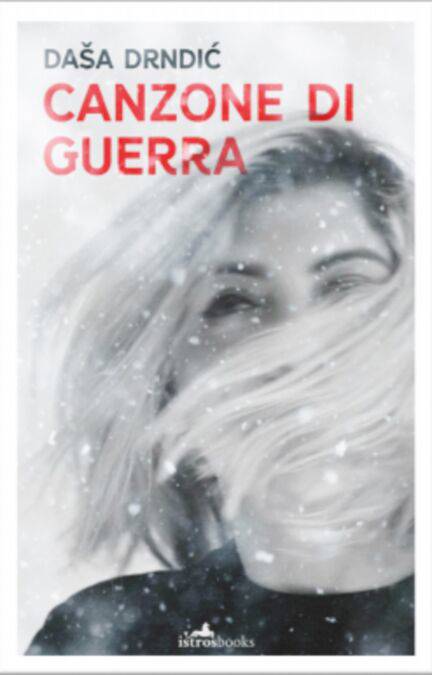
In typical Drndić style, the reader is offered a view of the past and the present through a collage of different genres - from (pseudo) autobiography to documentary material and culinary recipes as the narrative explores different perspectives on the issue of emigration, the unresolved history of the Second World War, while emphasising the absurdity of politics of differences between neighbouring nations.
Tea Radan, the narrator of the novel Canzone di Guerra, reflects on her own past and in doing so, composes a forgotten mosaic of historical events that she wants to first tear apart and then reassemble with all the missing fragments. In front of the readers eyes, a collage of different genres takes place - from (pseudo) autobiography to documentary material and culinary recipes. With them, the author Daša Drndić skillfully explores different perspectives on the issue of emigration and the unresolved history of the Second World War, while emphasizing the absurdity of politics of differences between neighboring nations. The narrator subtly weaves the torturous story of searching for her own identity with a relaxed, sometimes disguised ironic style, which takes the reader surprisingly easily into the world of persecution and the sense of alienation between herself and others.
Tea Radan, the narrator of the novel Canzone di Guerra, reflects on her own past and in doing so, composes a forgotten mosaic of historical events that she wants to first tear apart and then reassemble with all the missing fragments. In front of the readers eyes, a collage of different genres takes place - from (pseudo) autobiography to documentary material and culinary recipes. With them, the author Daša Drndić skillfully explores different perspectives on the issue of emigration and the unresolved history of the Second World War, while emphasizing the absurdity of politics of differences between neighboring nations. The narrator subtly weaves the torturous story of searching for her own identity with a relaxed, sometimes disguised ironic style, which takes the reader surprisingly easily into the world of persecution and the sense of alienation between herself and others.
Specificaties
Betrokkenen
- Auteur(s):
- Vertaler(s):
- Uitgeverij:
Inhoud
- Aantal bladzijden:
- 180
- Taal:
- Engels
Eigenschappen
- Productcode (EAN):
- 9781912545988
- Verschijningsdatum:
- 11/04/2022
- Uitvoering:
- E-book
- Beveiligd met:
- Adobe DRM
- Formaat:
- ePub


Alleen bij Standaard Boekhandel
+ 5 punten op je klantenkaart van Standaard Boekhandel
Cadeau

AANGERADEN


Beoordelingen
We publiceren alleen reviews die voldoen aan de voorwaarden voor reviews. Bekijk onze voorwaarden voor reviews.