


- Afhalen na 1 uur in een winkel met voorraad
- Gratis thuislevering in België vanaf € 30
- Ruim aanbod met 7 miljoen producten
- Afhalen na 1 uur in een winkel met voorraad
- Gratis thuislevering in België vanaf € 30
- Ruim aanbod met 7 miljoen producten





€ 59,95
+ 119 punten
Omschrijving
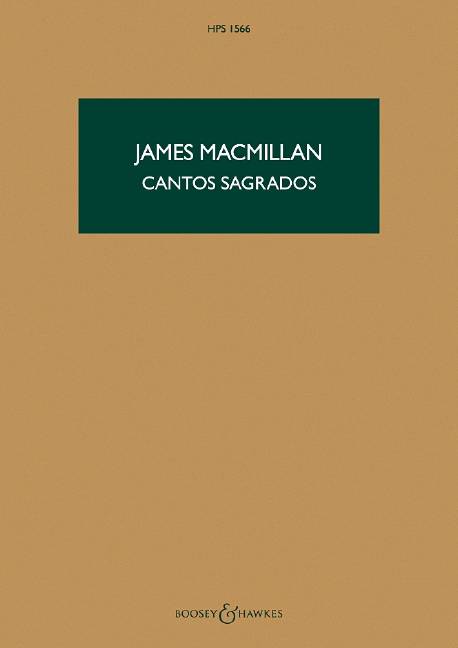
(Boosey & Hawkes Scores/Books). Composer's Notes: "In writing this work I wanted to compose something which was both timeless and contemporary, both sacred and secular. The title (Sacred Songs) is therefore slightly misleading as the three poems are concerned with political repression in Latin America and are deliberately coupled with traditional religious texts to emphasise a deeper solidarity with the poor of that sub-continent. It was my interest in Liberation Theology which made me combine the poems of the Mothers of the Plaza de Mayo in Argentina with the texts of the Latin mass in Busqueda (an earlier music-theatre work) and has now led me to attempt a similar synthesis of ideas in Cantos Sagrados. The voices in Ariel Dorfman's poems belong to those who suffer a particular type of political repression: the 'disappearance' of political prisoners. Ana Maria Mendoza's poem about the Virgin of Guadeloupe tackles the same problem by asking a more fundamental cultural and historical question."
Specificaties
Betrokkenen
- Uitgeverij:
Inhoud
- Aantal bladzijden:
- 68
- Taal:
- Engels
- Reeks:
- Reeksnummer:
- nr. 1566
Eigenschappen
- Productcode (EAN):
- 9781784542566
- Verschijningsdatum:
- 1/10/2018
- Uitvoering:
- Paperback
- Formaat:
- Trade paperback (VS)
- Afmetingen:
- 210 mm x 298 mm
- Gewicht:
- 226 g

Alleen bij Standaard Boekhandel
+ 119 punten op je klantenkaart van Standaard Boekhandel
Cadeau

AANGERADEN


Beoordelingen
We publiceren alleen reviews die voldoen aan de voorwaarden voor reviews. Bekijk onze voorwaarden voor reviews.