


- Afhalen na 1 uur in een winkel met voorraad
- Gratis thuislevering in België vanaf € 30
- Ruim aanbod met 7 miljoen producten
- Afhalen na 1 uur in een winkel met voorraad
- Gratis thuislevering in België vanaf € 30
- Ruim aanbod met 7 miljoen producten





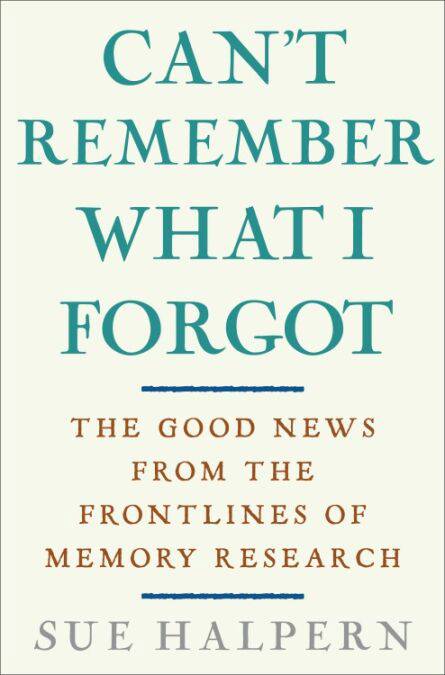
Can't Remember What I Forgot E-BOOK
The Good News from the Front Lines of Memory Research
Sue Halpern
E-book | Engels
€ 17,34
+ 17 punten
Uitvoering
Omschrijving
An essential behind-the-scenes foray into the world of cutting-edge memory research that unveils findings about memory loss only now available to general readers.
When Sue Halpern decided to emulate the first modern scientist of memory, Hermann Ebbinghaus, who experimented on himself, she had no idea that after a day of radioactive testing, her brain would become so “hot” that leaving through the front door of the lab would trigger the alarm. This was not the first time while researching Can’t Remember What I Forgot, part of which appeared in The New Yorker, that Halpern had her head examined, nor would it be the last.
Halpern spent years in the company of the neuroscientists, pharmacologists, psychologists, nutritionists, and inventors who are hunting for the genes and molecules, the drugs and foods, the machines, the prosthetics, the behaviors and therapies that will stave off Alzheimer’s and other forms of dementia and keep our minds–and memories–intact. Like many of us who have had a relative or friend succumb to memory loss, who are getting older, who are hearing statistics about our own chances of falling victim to dementia, who worry that each lapse of memory portends disease, Halpern wanted to find out what the experts really knew, what the bench scientists were working on, how close science is to a cure, to treatment, to accurate early diagnosis, and, of course, whether the crossword puzzles, sudokus, and ballroom dancing we’ve been told to take up can really keep us lucid or if they’re just something to do before the inevitable overtakes us.
Beautifully written, sharply observed, and deeply informed, Can’t Remember What I Forgot is a book full of vital information–and a solid dose of hope.
When Sue Halpern decided to emulate the first modern scientist of memory, Hermann Ebbinghaus, who experimented on himself, she had no idea that after a day of radioactive testing, her brain would become so “hot” that leaving through the front door of the lab would trigger the alarm. This was not the first time while researching Can’t Remember What I Forgot, part of which appeared in The New Yorker, that Halpern had her head examined, nor would it be the last.
Halpern spent years in the company of the neuroscientists, pharmacologists, psychologists, nutritionists, and inventors who are hunting for the genes and molecules, the drugs and foods, the machines, the prosthetics, the behaviors and therapies that will stave off Alzheimer’s and other forms of dementia and keep our minds–and memories–intact. Like many of us who have had a relative or friend succumb to memory loss, who are getting older, who are hearing statistics about our own chances of falling victim to dementia, who worry that each lapse of memory portends disease, Halpern wanted to find out what the experts really knew, what the bench scientists were working on, how close science is to a cure, to treatment, to accurate early diagnosis, and, of course, whether the crossword puzzles, sudokus, and ballroom dancing we’ve been told to take up can really keep us lucid or if they’re just something to do before the inevitable overtakes us.
Beautifully written, sharply observed, and deeply informed, Can’t Remember What I Forgot is a book full of vital information–and a solid dose of hope.
Specificaties
Betrokkenen
- Auteur(s):
- Uitgeverij:
Inhoud
- Aantal bladzijden:
- 272
- Taal:
- Engels
Eigenschappen
- Productcode (EAN):
- 9780307409522
- Verschijningsdatum:
- 5/05/2008
- Uitvoering:
- E-book
- Beveiligd met:
- Adobe DRM
- Formaat:
- ePub


Alleen bij Standaard Boekhandel
+ 17 punten op je klantenkaart van Standaard Boekhandel
Cadeau

AANGERADEN


Beoordelingen
We publiceren alleen reviews die voldoen aan de voorwaarden voor reviews. Bekijk onze voorwaarden voor reviews.