


- Afhalen na 1 uur in een winkel met voorraad
- Gratis thuislevering in België vanaf € 30
- Ruim aanbod met 7 miljoen producten
- Afhalen na 1 uur in een winkel met voorraad
- Gratis thuislevering in België vanaf € 30
- Ruim aanbod met 7 miljoen producten





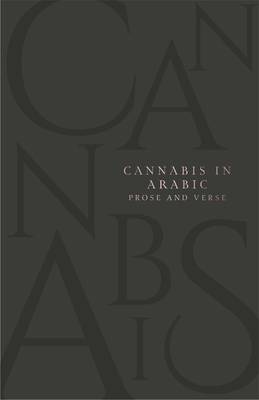
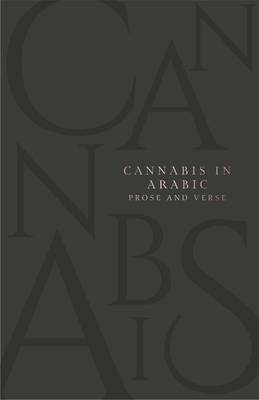
Cannabis in Arabic Verse and Prose
€ 24,45
+ 48 punten
Omschrijving
From the thirteenth to the fifteenth centuries, a number of historians, jurists, poets, and others writing in Arabic turned their attention to a newly arrived plant, Cannabis indica, noting its psychoactive powers and how it first spread among Sufis. They discuss cannabis's origins, who uses it and how, and whether or not it should be used. These works range from historical narratives to anecdotal, sometimes humorous, stories to legal remarks, all buttressed by quotations from poetry. Cannabis in Arabic Verse and Prose also includes a famous section from historian al-Maqrīzī's (1364-1442) influential work on Egypt, excerpts from treatises by lesser-known writers, and the most important text on the subject from this time period by poet al-Badrī (1443-1489). This edition presents the Arabic texts with facing English translations, an Arabic-English glossary, and commentary.
Specificaties
Betrokkenen
- Vertaler(s):
- Uitgeverij:
Inhoud
- Aantal bladzijden:
- 220
- Taal:
- Engels
- Reeks:
Eigenschappen
- Productcode (EAN):
- 9780674302495
- Verschijningsdatum:
- 4/08/2026
- Uitvoering:
- Paperback
- Formaat:
- Trade paperback (VS)
- Afmetingen:
- 140 mm x 216 mm

Alleen bij Standaard Boekhandel
+ 48 punten op je klantenkaart van Standaard Boekhandel
CADEAU

AANGERADEN


Beoordelingen
We publiceren alleen reviews die voldoen aan de voorwaarden voor reviews. Bekijk onze voorwaarden voor reviews.