



Je cadeautjes zeker op tijd in huis hebben voor de feestdagen? Kom langs in onze winkels en vind het perfecte geschenk!
- Afhalen na 1 uur in een winkel met voorraad
- Gratis thuislevering in België vanaf € 30
- Ruim aanbod met 7 miljoen producten
Je cadeautjes zeker op tijd in huis hebben voor de feestdagen? Kom langs in onze winkels en vind het perfecte geschenk!
- Afhalen na 1 uur in een winkel met voorraad
- Gratis thuislevering in België vanaf € 30
- Ruim aanbod met 7 miljoen producten





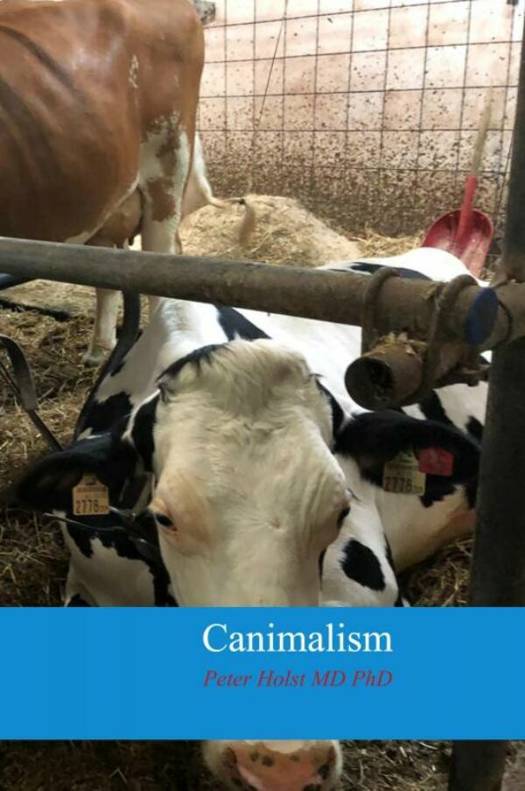
Omschrijving
The interest in the connection shown by the author between breeding tropical birds and lung cancer has expanded to the health risks of the intensive breeding of poultry, pigs and cattle for consumption. Since the fifties of the 20th century, intensive breeding in livestock has increased sharply. The production of meat (products), poultry, pork and other meat tripled between 1980 and 2010 and is expected to double again. An increase that keeps pace with the recent increase in cancer mortality. All meat of farmed mammals is only produced by manual insemination of cattle, pigs and rabbits. The production of milk, cheese and meat is inextricably linked. The cow must give birth to as many calves as possible for milk, cheese and meat. Female calves grow up to be dairy cows, bulls go to the meat industry. As a result, carcinogenic viruses are now found in cattle and in the meat and dairy industry. Harmful viruses such as Avian (poultry) leukemia virus (ALV) and Bovine (cattle) leukemia virus (BLV) are found in raw egg proteins and raw meat products. Harmful leukemia viruses from cattle and poultry have spread to animal caretakers, employees in the meat and poultry industry and consumers.
Specificaties
Betrokkenen
- Auteur(s):
- Uitgeverij:
Inhoud
- Aantal bladzijden:
- 117
- Taal:
- Engels
Eigenschappen
- Productcode (EAN):
- 9789402198577
- Verschijningsdatum:
- 9/10/2019
- Uitvoering:
- Hardcover
- Afmetingen:
- 161 mm x 241 mm
- Gewicht:
- 305 g


Alleen bij Standaard Boekhandel
+ 69 punten op je klantenkaart van Standaard Boekhandel
CADEAU


Beoordelingen
We publiceren alleen reviews die voldoen aan de voorwaarden voor reviews. Bekijk onze voorwaarden voor reviews.