


- Afhalen na 1 uur in een winkel met voorraad
- Gratis thuislevering in België vanaf € 30
- Ruim aanbod met 7 miljoen producten
- Afhalen na 1 uur in een winkel met voorraad
- Gratis thuislevering in België vanaf € 30
- Ruim aanbod met 7 miljoen producten





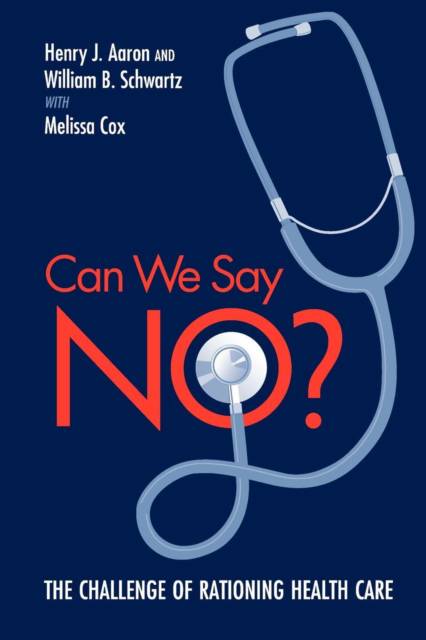
Can We Say No?
The Challenge of Rationing Health Care
Henry J Aaron, William B Schwartz
Paperback | Engels
€ 44,45
+ 88 punten
Eenvoudig bestellen
Veilig betalen


Gratis thuislevering vanaf € 30 (via bpost)
Gratis levering in je Standaard Boekhandel
Omschrijving
Over the past four decades, the share of income devoted to health care nearly tripled. If policy is unchanged, this trend is likely to continue. Should Americans decide to rein in the growth of health care spending, they will be forced to consider whether to ration care for the well-insured, a prospect that is odious and unthinkable to many. This book argues that sensible health care rationing can not only save money but improve general welfare and public health. It reviews the experience with health care rationing in Great Britain. The choices the British have made point up the nature of the options Americans will face if they wish to keep public health care budgets from driving taxes ever higher and private health care spending from crowding out increases in other forms of worker compensation and consumption. This book explains why serious consideration of health care rationing is inescapable. It also provides the information policymakers and concerned citizens need to think clearly about these difficult issues and engage in an informed debate.
Specificaties
Betrokkenen
- Auteur(s):
- Uitgeverij:
Inhoud
- Aantal bladzijden:
- 199
- Taal:
- Engels
Eigenschappen
- Productcode (EAN):
- 9780815701217
- Verschijningsdatum:
- 21/11/2005
- Uitvoering:
- Paperback
- Formaat:
- Trade paperback (VS)
- Afmetingen:
- 155 mm x 228 mm
- Gewicht:
- 303 g


Alleen bij Standaard Boekhandel
+ 88 punten op je klantenkaart van Standaard Boekhandel
CADEAU

AANGERADEN


Beoordelingen
We publiceren alleen reviews die voldoen aan de voorwaarden voor reviews. Bekijk onze voorwaarden voor reviews.