


- Afhalen na 1 uur in een winkel met voorraad
- Gratis thuislevering in België vanaf € 30
- Ruim aanbod met 7 miljoen producten
- Afhalen na 1 uur in een winkel met voorraad
- Gratis thuislevering in België vanaf € 30
- Ruim aanbod met 7 miljoen producten





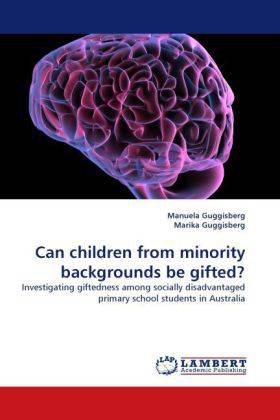
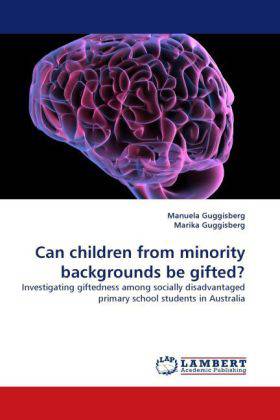
Can children from minority backgrounds be gifted?
Investigating giftedness among socially disadvantaged primary school students in Australia
Manuela Guggisberg, Marika Guggisberg
Paperback | Engels
€ 48,45
+ 96 punten
Omschrijving
While all children have talents, some are advanced in certain areas. They can be found in every section of society. Despite this, few culturally diverse students participate in gifted education programs. Often, students from families with higher social status are advantaged at the expense of those with minority status. According to the literature, biased identification instruments may contribute to the current underrepresentation of children from low socio-economic and/or culturally diverse backgrounds in gifted education. This book discusses Australian research on giftedness among primary students in a low socio-economic area school with a high representation of minority children. The study used a specifically developed identification instrument. Findings suggest a lack of focus on areas such as creativity by classroom teachers. Instead, the theachers tended to heavily rely on abilities reflecting literacy and numeracy skills when nominating students as potentially gifted. We recommend to involve parents and guardians in the process of identifying gifted children and to promote gifted education to teachers.
Specificaties
Betrokkenen
- Auteur(s):
- Uitgeverij:
Inhoud
- Aantal bladzijden:
- 84
- Taal:
- Engels
Eigenschappen
- Productcode (EAN):
- 9783838392660
- Verschijningsdatum:
- 27/10/2010
- Uitvoering:
- Paperback
- Formaat:
- Trade paperback (VS)
- Afmetingen:
- 152 mm x 229 mm
- Gewicht:
- 136 g


Alleen bij Standaard Boekhandel
+ 96 punten op je klantenkaart van Standaard Boekhandel
Cadeau

AANGERADEN


Beoordelingen
We publiceren alleen reviews die voldoen aan de voorwaarden voor reviews. Bekijk onze voorwaarden voor reviews.