


- Afhalen na 1 uur in een winkel met voorraad
- Gratis thuislevering in België vanaf € 30
- Ruim aanbod met 7 miljoen producten
- Afhalen na 1 uur in een winkel met voorraad
- Gratis thuislevering in België vanaf € 30
- Ruim aanbod met 7 miljoen producten





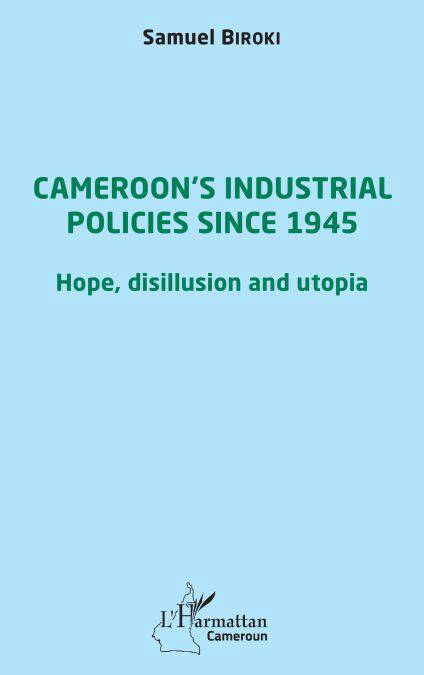
Cameroon's industrial policies since 1945 E-BOOK
Hope, disillusion and utopia
Samuel Biroki
E-book | Engels
€ 21,09
+ 21 punten
Omschrijving
Obviously, the year 1945 can be recognised in this work as the beginning of the industrial adventure of Cameroon. Thus, the period of this essay can be structured into three cycles: 1945 to 1985, during which the economic potential of the country flourished to reach the heights of Africa’s industrialised nations. This hope faded between 1986 and 2009 due to a poor industrial governance; and since 2010, the announced Emergence perspective has been receding due to economic under-performance. This book allows for a balanced evaluation of the levers of industrial competitiveness and anticipates the economic emergence of Cameroon, which is conditioned by the combination of institutional, corporate, social and territorial intelligence.
Specificaties
Betrokkenen
- Auteur(s):
- Uitgeverij:
Inhoud
- Aantal bladzijden:
- 216
- Taal:
- Engels
Eigenschappen
- Productcode (EAN):
- 9782140198007
- Verschijningsdatum:
- 12/12/2021
- Uitvoering:
- E-book
- Beveiligd met:
- Digital watermarking
- Formaat:


Alleen bij Standaard Boekhandel
+ 21 punten op je klantenkaart van Standaard Boekhandel

Beoordelingen
We publiceren alleen reviews die voldoen aan de voorwaarden voor reviews. Bekijk onze voorwaarden voor reviews.