


- Afhalen na 1 uur in een winkel met voorraad
- Gratis thuislevering in België vanaf € 30
- Ruim aanbod met 7 miljoen producten
- Afhalen na 1 uur in een winkel met voorraad
- Gratis thuislevering in België vanaf € 30
- Ruim aanbod met 7 miljoen producten




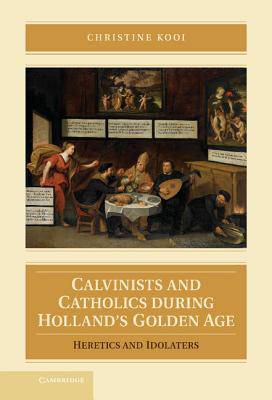
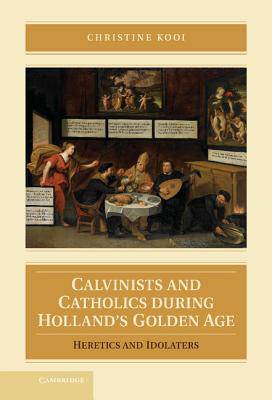
Calvinists and Catholics During Holland's Golden Age
Heretics and Idolaters
Christine Kooi
Hardcover | Engels
€ 183,45
+ 366 punten
Omschrijving
This book examines the social, political, and religious relationships between Calvinists and Catholics during Holland's Golden Age. Although Holland, the largest province of the Dutch Republic, was officially Calvinist, its population was one of the most religiously heterogeneous in early modern Europe. The Catholic Church was officially disestablished in the 1570s, yet by the 1620s Catholicism underwent a revival, flourishing in a semi-clandestine private sphere. The book focuses on how Reformed Protestants dealt with this revived Catholicism, arguing that confessional coexistence between Calvinists and Catholics operated within a number of contiguous and overlapping social, political, and cultural spaces. The result was a paradox: a society that was at once Calvinist and pluralist. Christine Kooi maps the daily interactions between people of different faiths and examines how religious boundaries were negotiated during an era of tumultuous religious change.
Specificaties
Betrokkenen
- Auteur(s):
- Uitgeverij:
Inhoud
- Aantal bladzijden:
- 258
- Taal:
- Engels
Eigenschappen
- Productcode (EAN):
- 9781107023246
- Verschijningsdatum:
- 30/04/2012
- Uitvoering:
- Hardcover
- Formaat:
- Genaaid
- Afmetingen:
- 152 mm x 229 mm
- Gewicht:
- 498 g


Alleen bij Standaard Boekhandel
+ 366 punten op je klantenkaart van Standaard Boekhandel
AANGERADEN


Beoordelingen
We publiceren alleen reviews die voldoen aan de voorwaarden voor reviews. Bekijk onze voorwaarden voor reviews.