


- Afhalen na 1 uur in een winkel met voorraad
- Gratis thuislevering in België vanaf € 30
- Ruim aanbod met 7 miljoen producten
- Afhalen na 1 uur in een winkel met voorraad
- Gratis thuislevering in België vanaf € 30
- Ruim aanbod met 7 miljoen producten





€ 43,00
+ 86 punten
Omschrijving
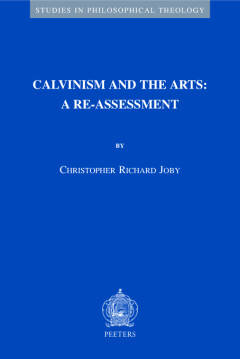
It is often thought that the French Reformer John Calvin (1509-1564) had a negative attitude towards the arts, particularly visual art. However, in Calvinism and the Arts: A Re-assessment, Dr. Joby argues that in Calvin's writings and in the development of the Reformed tradition more generally, it is possible to discern a more positive attitude than has hitherto been recognized. He makes a start by examining exactly what type of visual art Calvin rejected and what type he affirmed. He goes on to consider how Calvin's epistemology and eschatology can be used to argue for the placing of certain types of art, notably histories and landscape paintings, within Reformed churches and then devotes separate chapters to reflecting on how music, architecture and church decoration within the Reformed tradition provide further arguments for the use of these works of art. In the final section, he looks at specific histories and landscapes from the Dutch Golden Age and considers how the form and content of both of these types of art provide us with further ontological and epistemological arguments which inevitably lead to the conclusion that their continued exclusion from Reformed churches is no longer tenable.
Specificaties
Betrokkenen
- Auteur(s):
- Uitgeverij:
Inhoud
- Aantal bladzijden:
- 240
- Taal:
- Engels
- Reeks:
- Reeksnummer:
- nr. 38
Eigenschappen
- Productcode (EAN):
- 9789042919235
- Verschijningsdatum:
- 7/09/2007
- Uitvoering:
- Paperback
- Formaat:
- Trade paperback (VS)
- Afmetingen:
- 160 mm x 239 mm
- Gewicht:
- 430 g


Alleen bij Standaard Boekhandel
+ 86 punten op je klantenkaart van Standaard Boekhandel
Cadeau

AANGERADEN


Beoordelingen
We publiceren alleen reviews die voldoen aan de voorwaarden voor reviews. Bekijk onze voorwaarden voor reviews.