


- Afhalen na 1 uur in een winkel met voorraad
- Gratis thuislevering in België vanaf € 30
- Ruim aanbod met 7 miljoen producten
- Afhalen na 1 uur in een winkel met voorraad
- Gratis thuislevering in België vanaf € 30
- Ruim aanbod met 7 miljoen producten





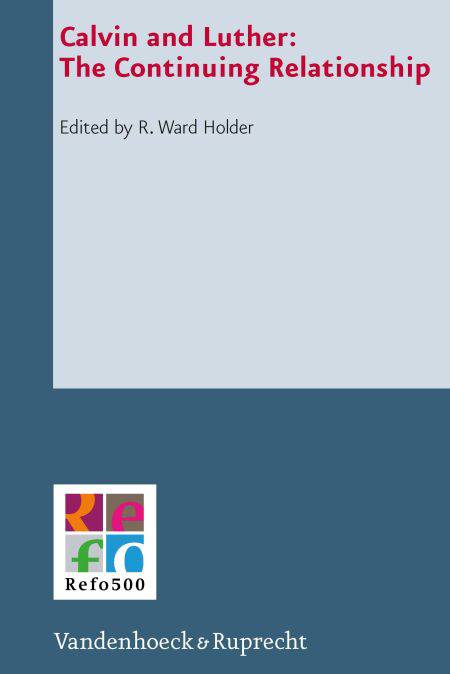
Calvin and Luther: The Continuing Relationship E-BOOK
€ 110,00
+ 110 punten
Omschrijving
The reforms begun by Luther and Calvin became two of the largest and most influential movements to arise in the sixteenth century, but frequently, these two movements are seen and defined as polar opposites – one's theology is Reformed or Lutheran, one is a member of a Reformed or Lutheran congregation. Historically, these were two very separate movements – but more remains to be understood that can best be analyzed in the context of the other.Just as surely as the historical question of the boundaries between Calvin and Luther, or Lutheranism and Calvinism must be answered with a resounding yes, the ongoing doctrinal questions offer a different picture. In the more systematic doctrinal articles, an argument is forwarded that the broad confessional continuity between Luther and Calvin on the soteriological theme of union with Christ offers still-unexplored avenues to both deeper understandings of soteriology. Through such articles, we begin to see the possibility of a rapprochement between Calvin and Luther as sources, though not as historical figures. But that insight allows the conversation to extend, and bear far greater fruit.Contributors are, J.T. Billings, Ch. Helmer , H.P. Jürgens, S.C. Karant-Nunn, R. Kolb, Th.F. Latini, G.S. Pak, J. Watt, T.J. Wengert, P. Westermeyer, and D.M. Whitford.
Specificaties
Betrokkenen
- Uitgeverij:
Inhoud
- Aantal bladzijden:
- 235
- Taal:
- Engels
- Reeks:
Eigenschappen
- Productcode (EAN):
- 9783647550572
- Verschijningsdatum:
- 17/09/2013
- Uitvoering:
- E-book
- Formaat:


Alleen bij Standaard Boekhandel
+ 110 punten op je klantenkaart van Standaard Boekhandel
CADEAU

AANGERADEN


Beoordelingen
We publiceren alleen reviews die voldoen aan de voorwaarden voor reviews. Bekijk onze voorwaarden voor reviews.