


- Afhalen na 1 uur in een winkel met voorraad
- Gratis thuislevering in België vanaf € 30
- Ruim aanbod met 7 miljoen producten
- Afhalen na 1 uur in een winkel met voorraad
- Gratis thuislevering in België vanaf € 30
- Ruim aanbod met 7 miljoen producten





€ 4,99
+ 4 punten
Omschrijving
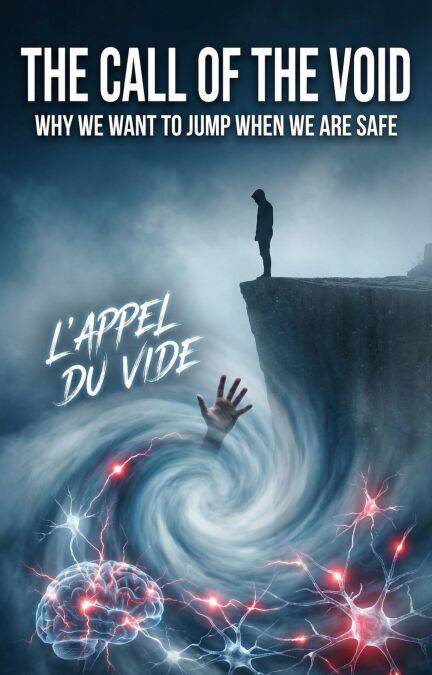
You are standing on a high balcony or a cliff edge, perfectly safe behind a railing. Suddenly, a terrifying thought flashes through your mind: "I could just jump." You recoil in horror, wondering if you are suicidal or losing your mind. You are not. You are experiencing "L'appel du vide" (The Call of the Void), also known as the High Place Phenomenon.
This book explores the fascinating neuroscience behind this universal intrusive thought. Studies show that over 50% of people experience it, and ironically, it is more common in people with high anxiety. Why? Because it is a misinterpretation of a safety signal. Your balance system screams "Danger!", and your conscious mind, realizing you are safe, interprets the physical arousal as a desire to jump.
"The Call of the Void" is a comforting guide to the strange glitches of the human brain. It explains why we think about steering into oncoming traffic or shouting in church. It teaches us that a thought is just a thought, not a command, and that this specific fear is actually proof that your brain wants you to live.
This book explores the fascinating neuroscience behind this universal intrusive thought. Studies show that over 50% of people experience it, and ironically, it is more common in people with high anxiety. Why? Because it is a misinterpretation of a safety signal. Your balance system screams "Danger!", and your conscious mind, realizing you are safe, interprets the physical arousal as a desire to jump.
"The Call of the Void" is a comforting guide to the strange glitches of the human brain. It explains why we think about steering into oncoming traffic or shouting in church. It teaches us that a thought is just a thought, not a command, and that this specific fear is actually proof that your brain wants you to live.
Specificaties
Betrokkenen
- Auteur(s):
- Uitgeverij:
Inhoud
- Aantal bladzijden:
- 145
- Taal:
- Engels
Eigenschappen
- Productcode (EAN):
- 9783565256860
- Verschijningsdatum:
- 17/02/2026
- Uitvoering:
- E-book
- Formaat:
- ePub


Alleen bij Standaard Boekhandel
+ 4 punten op je klantenkaart van Standaard Boekhandel
AANGERADEN


Beoordelingen
We publiceren alleen reviews die voldoen aan de voorwaarden voor reviews. Bekijk onze voorwaarden voor reviews.