


- Afhalen na 1 uur in een winkel met voorraad
- Gratis thuislevering in België vanaf € 30
- Ruim aanbod met 7 miljoen producten
- Afhalen na 1 uur in een winkel met voorraad
- Gratis thuislevering in België vanaf € 30
- Ruim aanbod met 7 miljoen producten





€ 187,45
+ 374 punten
Omschrijving
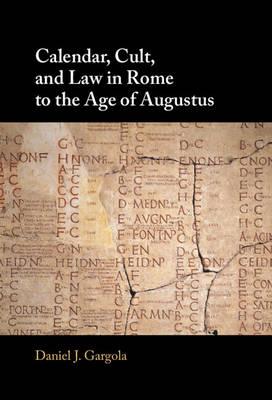
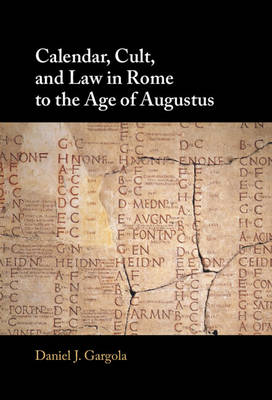
Rome's calendar often falls into the background in studies of republican political, legal, and religious practices. Its relationship to celestial phenomena is usually unexamined and modernizing assumptions are made about its regularity of operations and the advantages of Caesar's reform. In this book, Daniel Gargola clarifies its relationship to celestial phenomena and reveals the extent to which celestial references permeated public cult; he also demonstrates that the competent authorities often intervened in its operations in order to accommodate other concerns. The calendar also provided the temporal framework for the regulation of public and cultic activities and thus had a central role in Roman law. Roman writers attempted to bring clarity to the norms involving the calendar, and their efforts have often influenced modern attempts to study it. Nevertheless, the complexity of public and cultic life undermined these attempts and Romans always had to navigate between competing norms.
Specificaties
Betrokkenen
- Auteur(s):
- Uitgeverij:
Inhoud
- Aantal bladzijden:
- 308
- Taal:
- Engels
Eigenschappen
- Productcode (EAN):
- 9781009623223
- Verschijningsdatum:
- 19/02/2026
- Uitvoering:
- Hardcover
- Formaat:
- Genaaid
- Afmetingen:
- 152 mm x 229 mm
- Gewicht:
- 580 g


Alleen bij Standaard Boekhandel
+ 374 punten op je klantenkaart van Standaard Boekhandel
Cadeau

AANGERADEN


Beoordelingen
We publiceren alleen reviews die voldoen aan de voorwaarden voor reviews. Bekijk onze voorwaarden voor reviews.