


- Afhalen na 1 uur in een winkel met voorraad
- Gratis thuislevering in België vanaf € 30
- Ruim aanbod met 7 miljoen producten
- Afhalen na 1 uur in een winkel met voorraad
- Gratis thuislevering in België vanaf € 30
- Ruim aanbod met 7 miljoen producten





€ 20,81
+ 20 punten
Uitvoering
Omschrijving
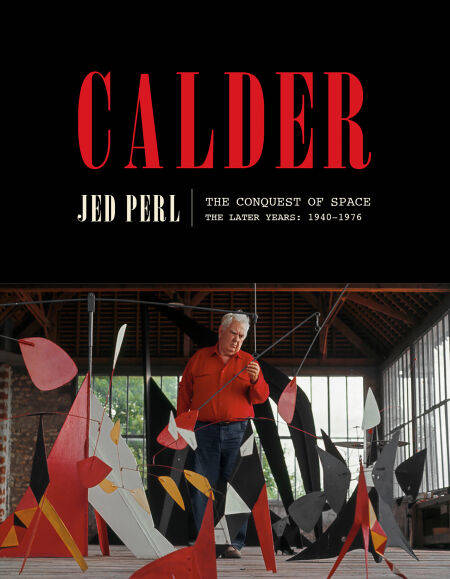
The concluding volume to the first biography of one of the most important, influential, and beloved twentieth-century sculptors, and one of the greatest artists in the cultural history of America--is a vividly written, illuminating account of his triumphant later years.
The second and final volume of this magnificent biography begins during World War II, when Calder--known to all as Sandy--and his wife, Louisa, opened their home to a stream of artists and writers in exile from Europe. In the postwar decades, they divided their time between the United States and France, as Calder made his first monumental public sculptures and received blockbuster commissions that included Expo '67 in Montreal and the 1968 Olympics in Mexico City. Jed Perl makes clear how Calder's radical sculptural imagination shaped the minimalist and kinetic art movements that emerged in the 1960s. And we see, as well, that through everything--their ever-expanding friendships with artists and writers of all stripes; working to end the war in Vietnam; hosting riotous dance parties at their Connecticut home; seeing the "mobile," Calder's essential artistic invention, find its way into Webster's dictionary--Calder and Louisa remained the risk-taking, singularly bohemian couple they had been since first meeting at the end of the Roaring Twenties. The biography ends with Calder's death in 1976 at the age of seventy-eight--only weeks after an encyclopedic retrospective of his work opened at the Whitney Museum in New York--but leaves us with a new, clearer understanding of his legacy, both as an artist and a man.
The second and final volume of this magnificent biography begins during World War II, when Calder--known to all as Sandy--and his wife, Louisa, opened their home to a stream of artists and writers in exile from Europe. In the postwar decades, they divided their time between the United States and France, as Calder made his first monumental public sculptures and received blockbuster commissions that included Expo '67 in Montreal and the 1968 Olympics in Mexico City. Jed Perl makes clear how Calder's radical sculptural imagination shaped the minimalist and kinetic art movements that emerged in the 1960s. And we see, as well, that through everything--their ever-expanding friendships with artists and writers of all stripes; working to end the war in Vietnam; hosting riotous dance parties at their Connecticut home; seeing the "mobile," Calder's essential artistic invention, find its way into Webster's dictionary--Calder and Louisa remained the risk-taking, singularly bohemian couple they had been since first meeting at the end of the Roaring Twenties. The biography ends with Calder's death in 1976 at the age of seventy-eight--only weeks after an encyclopedic retrospective of his work opened at the Whitney Museum in New York--but leaves us with a new, clearer understanding of his legacy, both as an artist and a man.
Specificaties
Betrokkenen
- Auteur(s):
- Uitgeverij:
Inhoud
- Aantal bladzijden:
- 688
- Taal:
- Engels
- Reeks:
Eigenschappen
- Productcode (EAN):
- 9780451494122
- Verschijningsdatum:
- 13/04/2020
- Uitvoering:
- E-book
- Beveiligd met:
- Adobe DRM
- Formaat:
- ePub


Alleen bij Standaard Boekhandel
+ 20 punten op je klantenkaart van Standaard Boekhandel
Cadeau

AANGERADEN


Beoordelingen
We publiceren alleen reviews die voldoen aan de voorwaarden voor reviews. Bekijk onze voorwaarden voor reviews.