


- Afhalen na 1 uur in een winkel met voorraad
- Gratis thuislevering in België vanaf € 30
- Ruim aanbod met 7 miljoen producten
- Afhalen na 1 uur in een winkel met voorraad
- Gratis thuislevering in België vanaf € 30
- Ruim aanbod met 7 miljoen producten





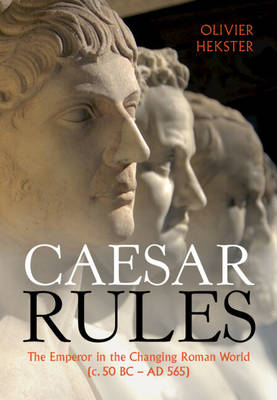
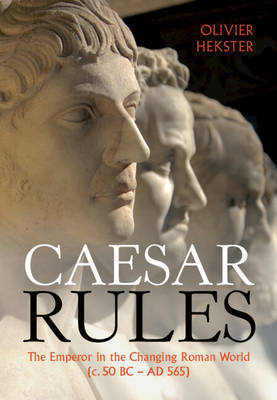
Caesar Rules
The Emperor in the Changing Roman World (C. 50 BC - AD 565)
Olivier Hekster
Hardcover | Engels
€ 63,45
+ 126 punten
Omschrijving
For centuries, Roman emperors ruled a vast empire. Yet, at least officially, the emperor did not exist. No one knew exactly what titles he possessed, how he could be portrayed, what exactly he had to do, or how the succession was organised. Everyone knew, however, that the emperor held ultimate power over the empire. There were also expectations about what he should do and be, although these varied throughout the empire and also evolved over time. How did these expectations develop and change? To what degree could an emperor deviate from prevailing norms? And what role did major developments in Roman society - such as the rise of Christianity or the choice of Constantinople as the new capital - play in the ways in which emperors could exercise their rule? This ambitious and engaging book describes the surprising stability of the Roman Empire over more than six centuries of history.
Specificaties
Betrokkenen
- Auteur(s):
- Uitgeverij:
Inhoud
- Aantal bladzijden:
- 414
- Taal:
- Engels
Eigenschappen
- Productcode (EAN):
- 9781009226790
- Verschijningsdatum:
- 8/12/2022
- Uitvoering:
- Hardcover
- Formaat:
- Genaaid
- Afmetingen:
- 166 mm x 242 mm
- Gewicht:
- 929 g


Alleen bij Standaard Boekhandel
+ 126 punten op je klantenkaart van Standaard Boekhandel
Cadeau

AANGERADEN


Beoordelingen
We publiceren alleen reviews die voldoen aan de voorwaarden voor reviews. Bekijk onze voorwaarden voor reviews.