


- Afhalen na 1 uur in een winkel met voorraad
- Gratis thuislevering in België vanaf € 30
- Ruim aanbod met 7 miljoen producten
- Afhalen na 1 uur in een winkel met voorraad
- Gratis thuislevering in België vanaf € 30
- Ruim aanbod met 7 miljoen producten





Omschrijving
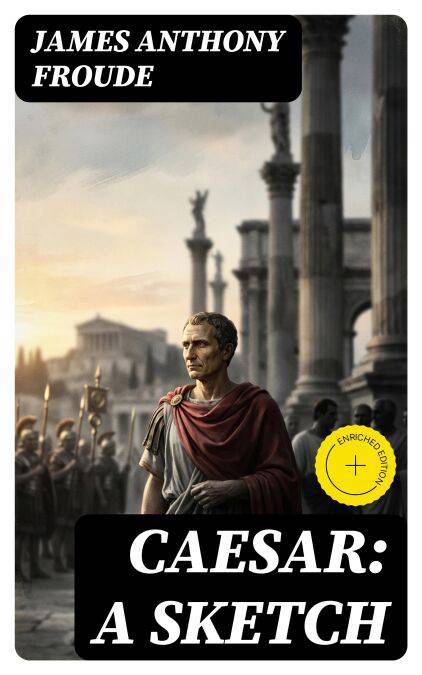
In "Caesar: A Sketch," James Anthony Froude presents a incisive exploration of Julius Caesar's life, emphasizing not only his political strategies and military accomplishments, but also the moral dilemmas that shaped his character. Froude's narrative style blends vivid storytelling with scholarly analysis, fulfilling the expectations of both general readers and historians alike. The work is situated within a rich literary tradition that seeks to understand the complexities of historical figures by examining their inner lives and motivations, while also reflecting the Victorian fascination with classical history, progress, and individualism. Froude, a prominent historian and novelist of the 19th century, was influenced by his deep interest in the intersection of history, morality, and the human experience. His earlier works on English history and his criticisms of established historiography inform his portrayal of Caesar, inviting readers to ponder the ethical ramifications of leadership and ambition. Froude's background as a writer for reputable publications and his friendships with notable contemporaries shaped his articulate and engaging prose, making complex ideas accessible to a wider audience. For readers interested in historical biography, Froude's "Caesar: A Sketch" offers an enlightening journey into the life of one of history's most formidable leaders. Through his engaging narrative, readers will gain fresh insights into Caesar's character and the principles that underlie his legendary status, recommending this scholarly work to anyone seeking to understand the duality of greatness and moral compromise in leadership.
Specificaties
Betrokkenen
- Auteur(s):
- Uitgeverij:
Inhoud
- Aantal bladzijden:
- 420
- Taal:
- Engels
Eigenschappen
- Productcode (EAN):
- 8596547226307
- Verschijningsdatum:
- 3/09/2022
- Uitvoering:
- E-book
- Beveiligd met:
- Digital watermarking
- Formaat:
- ePub



Alleen bij Standaard Boekhandel
Cadeau

AANGERADEN


Beoordelingen
We publiceren alleen reviews die voldoen aan de voorwaarden voor reviews. Bekijk onze voorwaarden voor reviews.