


- Afhalen na 1 uur in een winkel met voorraad
- Gratis thuislevering in België vanaf € 30
- Ruim aanbod met 7 miljoen producten
- Afhalen na 1 uur in een winkel met voorraad
- Gratis thuislevering in België vanaf € 30
- Ruim aanbod met 7 miljoen producten





€ 26,83
+ 26 punten
Uitvoering
Omschrijving
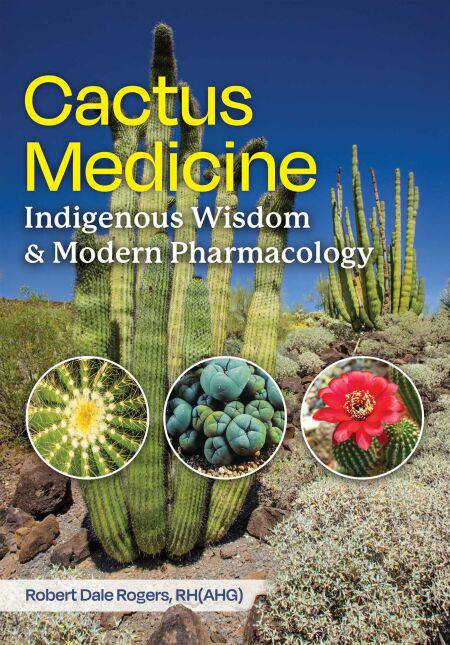
• Explores the characteristics, medicinal uses, and mythology of more than 570 species of cacti, including well-known species like Saguaro and Prickly Pear and entheogens such as San Pedro and Peyote
• Describes the ways that Indigenous peoples around the world have traditionally used cacti for healing, food, and ceremonial purposes
• Details scientific research on cactus compounds and alkaloids, including antidiabetic, anticancer, antimicrobial, antiviral, antidepressant, and analgesic properties
More than 1700 species of the cactus family of plants can be found around the world, mainly in North and South America. They appear in a wide range of environments, from subarctic to extremely hot regions, speaking to their profound ability to adapt, survive, and thrive.
In this full-color illustrated encyclopedia, Robert Dale Rogers explores the characteristics of more than 570 cacti species through the lenses of ethnobotany, folklore, chemistry, pharmacology, and their effective use in natural therapies. He details scientific research on the medicinal effects of cactus compounds and alkaloids, including their antioxidant, antidiabetic, anticancer, antimicrobial, antiviral, antidepressant, and analgesic properties. He also looks at the use of cacti in flower essences, herbal preparations, and homeopathic remedies.
Rogers explains how Indigenous people such as the Cree have used cacti for healing, food, ceremony, and shamanic purposes for millennia and he shares myths centered on cacti, such as the legend of the Cactus Cat from the American Southwest. He also provides a psychopharmacological examination of the entheogenic alkaloid mescaline, which can be found in San Pedro and Peyote.
This book showcases the benefits and unusual beauty of cacti, revealing how these plants have supported humanity for eons, from prehistory to the present day.
• Describes the ways that Indigenous peoples around the world have traditionally used cacti for healing, food, and ceremonial purposes
• Details scientific research on cactus compounds and alkaloids, including antidiabetic, anticancer, antimicrobial, antiviral, antidepressant, and analgesic properties
More than 1700 species of the cactus family of plants can be found around the world, mainly in North and South America. They appear in a wide range of environments, from subarctic to extremely hot regions, speaking to their profound ability to adapt, survive, and thrive.
In this full-color illustrated encyclopedia, Robert Dale Rogers explores the characteristics of more than 570 cacti species through the lenses of ethnobotany, folklore, chemistry, pharmacology, and their effective use in natural therapies. He details scientific research on the medicinal effects of cactus compounds and alkaloids, including their antioxidant, antidiabetic, anticancer, antimicrobial, antiviral, antidepressant, and analgesic properties. He also looks at the use of cacti in flower essences, herbal preparations, and homeopathic remedies.
Rogers explains how Indigenous people such as the Cree have used cacti for healing, food, ceremony, and shamanic purposes for millennia and he shares myths centered on cacti, such as the legend of the Cactus Cat from the American Southwest. He also provides a psychopharmacological examination of the entheogenic alkaloid mescaline, which can be found in San Pedro and Peyote.
This book showcases the benefits and unusual beauty of cacti, revealing how these plants have supported humanity for eons, from prehistory to the present day.
Specificaties
Betrokkenen
- Auteur(s):
- Uitgeverij:
Inhoud
- Aantal bladzijden:
- 448
- Taal:
- Engels
Eigenschappen
- Productcode (EAN):
- 9798888503829
- Verschijningsdatum:
- 10/08/2026
- Uitvoering:
- E-book
- Beveiligd met:
- Adobe DRM
- Formaat:
- ePub


Alleen bij Standaard Boekhandel
+ 26 punten op je klantenkaart van Standaard Boekhandel

Beoordelingen
We publiceren alleen reviews die voldoen aan de voorwaarden voor reviews. Bekijk onze voorwaarden voor reviews.