


- Afhalen na 1 uur in een winkel met voorraad
- Gratis thuislevering in België vanaf € 30
- Ruim aanbod met 7 miljoen producten
- Afhalen na 1 uur in een winkel met voorraad
- Gratis thuislevering in België vanaf € 30
- Ruim aanbod met 7 miljoen producten





€ 16,95
+ 33 punten
Omschrijving
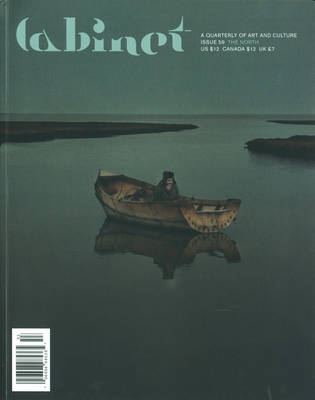
The idea of the North in modernity--its associations with sparseness and scarcity, to hardships and remoteness--has fed countless narratives of journeying to places and fates unknown. In classical antiquity, however, the north was a place of perfection. In the 5th century BCE, Pindar wrote of the wonders of Hyperborea--a northerly land whose natives lived unaffected by "sickness or ruinous old age," by "toil or battles." The poet also claimed this kingdom could be found "neither by ship nor on foot," and it is this mix of terrestrial encounter and lyric indeterminacy that continues to characterize our idea of the North. Cabinet 59, with a special section on "The North," includes Jessica Rowan on five centuries of expeditions in search of the Northwest Passage; Joe Duncan on the US government's rush to exploit Arctic resources made newly accessible by global warming; and Bettina Sierra on the attempts to recreate the atmospheric effects of the aurora borealis.
Specificaties
Betrokkenen
- Auteur(s):
- Uitgeverij:
Inhoud
- Aantal bladzijden:
- 112
- Taal:
- Engels
Eigenschappen
- Productcode (EAN):
- 9781932698671
- Verschijningsdatum:
- 28/06/2016
- Uitvoering:
- Hardcover
- Formaat:
- Genaaid
- Afmetingen:
- 198 mm x 249 mm
- Gewicht:
- 408 g


Alleen bij Standaard Boekhandel
+ 33 punten op je klantenkaart van Standaard Boekhandel
Cadeau

AANGERADEN


Beoordelingen
We publiceren alleen reviews die voldoen aan de voorwaarden voor reviews. Bekijk onze voorwaarden voor reviews.