


- Afhalen na 1 uur in een winkel met voorraad
- Gratis thuislevering in België vanaf € 30
- Ruim aanbod met 7 miljoen producten
- Afhalen na 1 uur in een winkel met voorraad
- Gratis thuislevering in België vanaf € 30
- Ruim aanbod met 7 miljoen producten





€ 16,95
+ 33 punten
Omschrijving
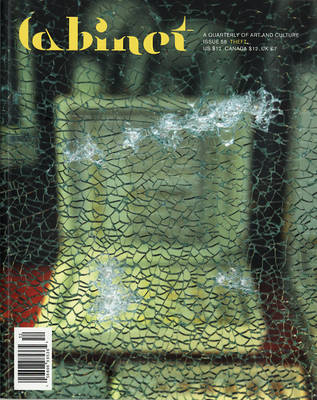
Across history, the morality of taking what belongs to another has been of concern to both theologians and lawmakers. Yet theft necessarily raises the question of what constitutes ownership, opening onto a longstanding philosophical debate about the relationship between property, freedom and virtue that stretches from Plato through Aquinas, Kant and Marx to contemporary theorists of intellectual property. And the different kinds of stealing--embezzlement, fraud, extortion, piracy, shoplifting--are as expansive as the categories of things (objects, ideas, images, styles, identities) that are understood to require protection from thievery. Cabinet 58, with a special section on "Theft," includes Susan Brewer on intellectual property debates in the agricultural and pharmaceutical industries; Merle Harman on "beach theft" in the Caribbean; and Anton Sears on the diversionary techniques of the pickpocket. Elsewhere in the issue: Luke Healey on the aesthetics and politics of the soccer player's dive, and Margaret Wertheim on the Online Encyclopedia of Integer Sequences.
Specificaties
Betrokkenen
- Auteur(s):
- Uitgeverij:
Inhoud
- Aantal bladzijden:
- 112
- Taal:
- Engels
Eigenschappen
- Productcode (EAN):
- 9781932698664
- Verschijningsdatum:
- 23/02/2016
- Uitvoering:
- Paperback
- Formaat:
- Trade paperback (VS)
- Afmetingen:
- 198 mm x 249 mm
- Gewicht:
- 421 g


Alleen bij Standaard Boekhandel
+ 33 punten op je klantenkaart van Standaard Boekhandel
Cadeau

AANGERADEN


Beoordelingen
We publiceren alleen reviews die voldoen aan de voorwaarden voor reviews. Bekijk onze voorwaarden voor reviews.